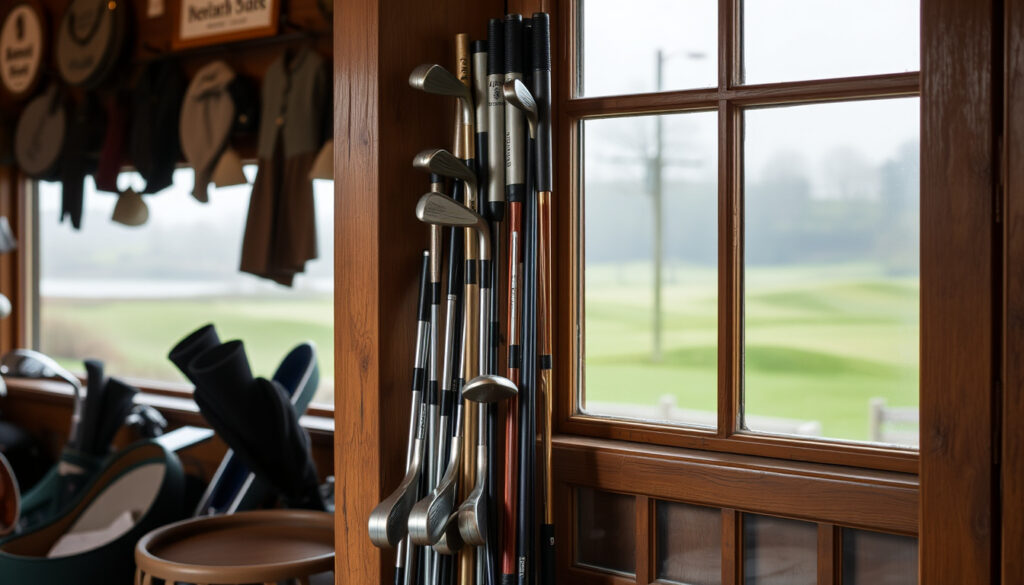
Second Hand Golf Clubs Ireland: Best Stores & Buying Guide
There’s a quiet thrill in finding a set of second hand golf clubs that feel like they were made for you — especially when you know you’ve saved hundreds of euros off the new price, and in Ireland, the market for used clubs has grown well beyond a few dusty bags in the back of a pro shop. This guide walks you through the best places to buy, what to look for, and how to avoid the common pitfalls, so you can grab a bargain with confidence.
Average savings vs. new: 30–50% · Top Irish retailer for second hand clubs: McGuirk’s Golf · Number of major online stores in Ireland: 3 · Most common brands available: Callaway, TaylorMade, Ping
Quick snapshot
- Start with forgiving irons and a driver from major brands
- Look for ‘excellent’ condition sets under €300
- Check McGuirk’s separate left‑hand section
- Fewer options; buy early
- Junior sets available from €100
- Lightweight shafts and shorter lengths
- Vintage clubs and limited editions at O’Dwyers
- Inspect shaft and grip condition carefully
Four key numbers set the stage for what follows.
| Top Irish online retailer | McGuirk’s Golf |
| Second largest retailer | Golfmarket |
| Typical discount vs. new | 30–50% |
| Return period offered | 14–30 days |
Where to Buy Second Hand Golf Clubs in Ireland?
Irish buyers have more options than ever, from specialised online retailers to local pro shops and peer-to-peer marketplaces. Each channel offers a different balance of price, convenience, and risk protection.
Online retailers: McGuirk’s Golf, Golfmarket, O’Dwyers
- McGuirk’s Golf calls itself the No.1 online retailer for second hand golf clubs in Ireland, with a large range of pre-owned clubs and custom fittings. Their site emphasises “fantastic savings and offers”McGuirk’s Golf (Irish online specialist).
- Golfmarket in Dublin 12 sells guaranteed authentic used clubs with a 14‑day money‑back guarantee and a 6‑month warrantyGolfmarket.ie (Irish used‑club retailer with warranty).
- Next2NewGolf Ireland offers “carefully checked” drivers, woods, hybrids, irons, wedges, and putters from leading brands, promising quality without the hefty price tagNext2NewGolf Ireland (curated second‑hand store).
- Golf‑Swap.ie operates as Ireland’s dedicated peer‑to‑peer marketplace for pre‑owned golf equipmentGolf‑Swap.ie (Irish classifieds platform).
Local stores in Cork, Galway, Limerick
Brick‑and‑mortar shops in Cork, Galway, and Limerick stock second hand clubs and let you inspect grips and faces in person. GetLocal.ie aggregates listings across Irish stores, so you can compare stockists and delivery options for your countyGetLocal.ie (Irish local shopping aggregator).
Online retailers like Golfmarket and McGuirk’s offer warranties and condition grading, which reduces risk compared to buying from a stranger. If you prefer to see the club before buying, local pro shops give you that tactile check — but often at a narrower selection.
Bottom line: McGuirk’s Golf and Golfmarket are the safest online bets for Irish buyers because of their return policies and authenticity checks. For the widest choice, add GetLocal.ie to your search routine.
Are Second Hand Golf Clubs Worth the Investment?
Saving 30–50% off retail sounds enticing, but the real value depends on condition, warranty, and how long the clubs will last. Here is what the numbers and store policies tell us.
Savings compared to new clubs
Second hand clubs typically save 30–50% off retail. A full beginner set (driver, hybrid, irons, wedges, putter) can cost roughly £400–£650 in the UK market, according to a YouTube guide for beginnersYouTube – Look for THIS when Buying Golf Clubs: A Beginner’s Guide to Used. That same guide advises spending no more than about £300 on a set of irons and budgeting £30–£70 for a putter. In Ireland, McGuirk’s Golf claims “fantastic savings” on its second‑hand rangeMcGuirk’s Golf (savings claim), and Next2NewGolf markets its clubs as “quality without the hefty price tag”Next2NewGolf Ireland (price promise).
Quality and durability considerations
Most Irish second‑hand retailers grade their clubs — “excellent”, “good”, “fair” — so you can choose a price point that matches expected wear. Golfmarket, for example, describes its used clubs as “authentic” and backs them with a 6‑month warranty. The catch: grading standards vary between stores, so a “good” club at one shop might be a “fair” at another.
Warranty and return policies
McGuirk’s and O’Dwyers provide warranty on used clubs. Golfmarket offers a 14‑day money‑back guarantee plus a 6‑month warranty. Peer‑to‑peer platforms like Golf‑Swap.ie typically do not offer returns — you rely on photos and the seller’s description.
A buyer spending €300 on a used iron set can lose that entire amount if the clubs arrive with a cracked face and no returns policy. Sticking to a retailer that offers at least 14 days and a warranty protects your investment.
Bottom line: Warranties and return policies separate safe buys from risky ones; for peace of mind, choose a retailer that offers both.
How to Choose Second Hand Golf Clubs?
Choosing used clubs is about matching specs to your swing, not just picking a brand. Three decisions matter most: brand/model, shaft, and handedness.
Selecting the right brand and model
Popular brands include Callaway, TaylorMade, Ping, and Titleist. These hold their value because of proven performance and available replacement parts. For beginners, forgiving game‑improvement irons from any of these brands are a safe bet. Advanced players might hunt for specific models like the Ping G series or TaylorMade P‑series.
Shaft flex and length considerations
Shaft flex should match swing speed; graphite shafts often easier on arms. Regular flex suits most recreational golfers, while stiff or senior flex is for faster or slower swings respectively. Second‑hand clubs may have standard lengths; if you need shorter or longer shafts, factor in the cost of a re‑shafting or look for adjustable models.
Left-handed and children’s options
Kids’ second hand clubs are available through specialised stores like McGuirk’s. McGuirk’s Golf maintains a separate left‑hand section, and its junior sets start around €100. Because left‑handed and junior clubs are produced in lower volumes, they sell out faster — so act quickly when you see a good set.
Bottom line: Focus on shaft flex and condition before brand. Left‑handed and junior buyers should check McGuirk’s Golf first, as their dedicated sections offer the widest Irish stock.
What Condition Should Second Hand Golf Clubs Be In?
Physical inspection separates a smart buy from a regret. Here is what to check and what grading labels mean.
Visual inspection: grips, faces, shafts
Check for cracks, deep scratches, and loose heads. Run a finger along the face grooves — they should be sharp, not worn flat. Grips should be replaced if they feel slick or cracked; a regrip costs around €10 per club. Shafts should be straight, with no rust or dents near the hosel.
Wear patterns and playability
A club that has seen heavy use will show a wear mark in the centre of the face (the sweet spot). Slight wear is normal; a deep depression means the metal is thinning and performance will drop. Stores like Golfmarket classify condition (e.g., “good”, “very good”) but the definitions are not standardised across retailers.
Certified pre-owned vs uncertified
Some retailers, like Golfmarket and Next2NewGolf, claim to carefully check each club before listing. That “certified” label usually means the club has been cleaned, re‑gripped if needed, and had its face and shaft inspected. Uncertified clubs from private sellers on Golf‑Swap.ie come with no such guarantee.
The following table outlines typical grading standards across Irish retailers.
| Grade | Typical face condition | Grip condition | Shaft condition |
|---|---|---|---|
| Excellent | Like new, barely used | Original, almost no wear | Straight, no rust |
| Very Good | Light wear, grooves still sharp | Minor wear, but serviceable | Straight, minimal cosmetic marks |
| Good | Wear visible, grooves still functional | Worn, may need replacement | Straight, some marks |
| Fair | Heavy wear, grooves shallow | Slick or cracked, replace needed | May have slight bend or rust |
Bottom line: Inspect face grooves and grip condition; a store’s grading system is helpful but not standardised across retailers.
This grading guide is based on how Golfmarket and Next2NewGolf describe their stock. The pattern: the more precise the grade, the more confident you can be about what you are getting.
How to Buy Second Hand Golf Clubs Online Safely?
Buying clubs online in Ireland is straightforward if you follow three safety checks.
Verify seller reputation and return policy
Online retailers often offer 30-day return policies. Choose a seller with a clear returns process and an address in Ireland. For example, Golfmarket lists a Dublin 12 location and offers a 14‑day money‑back guarantee. Check the “About us” page for years in business and physical address.
Secure payment methods
McGuirk’s Golf provides secure checkout and tracking. Use a credit card or PayPal for buyer protection. Avoid bank transfer payments to private sellers on platforms like Golf‑Swap.ie unless you have inspected the clubs in person.
Shipping and handling in Ireland
Delivery within Ireland usually costs €8–€15 and takes 2‑5 working days. Check for VAT and duty if buying from UK sites like Golfclubs4cash. Since Brexit, Irish buyers may face import VAT (23%) and a handling fee on UK purchases. Always choose a retailer based in Ireland to avoid extra charges.
A set that looks like a bargain from a UK site can become 23% more expensive at customs. An Irish‑based retailer such as McGuirk’s or Golfmarket removes that surprise — the price you see is the price you pay.
Bottom line: Buy from Irish-based retailers to avoid surprise import costs, and always use a secure payment method.
Clarity check
- Second hand clubs are available from multiple Irish stores.
- Exact volume of sales of second hand clubs in Ireland.
- Consistency of grading standards across retailers.
- McGuirk’s Golf is the No.1 online retailer for second hand clubs in Ireland.
- Golfmarket serves the Irish market with used clubs.
This balance of known and unknown factors shapes the buyer’s decision.
Quotes from the market
“A huge range of custom fittings and options also available, with fantastic savings and offers.”
— McGuirk’s Golf website
“We sell guaranteed authentic used golf clubs with a 14‑day money‑back guarantee and a 6‑month warranty.”
— Golfmarket.ie
For Irish buyers, the choice between a curated retailer and a peer‑to‑peer market comes down to risk tolerance. McGuirk’s and Golfmarket offer peace of mind through warranties and grading; Golf‑Swap.ie lets you hunt for a steal but carries no safety net. The implication: if you are new to the game or spending more than €200, pay the small premium for a retailer’s guarantee. For seasoned golfers who know exactly what a worn face looks like, the classifieds can still deliver.
Frequently asked questions
How much do second hand golf clubs usually cost?
Beginners can find a full set (driver, hybrid, irons, wedge, putter) for £400–£650 in the UK market, with irons alone around £300. In Ireland, prices vary by brand and condition, but savings of 30–50% off new are typical.
What is the best online store for used golf clubs in Ireland?
McGuirk’s Golf is the most prominent Irish online retailer, followed by Golfmarket and Next2NewGolf. Each offers condition grading and some level of warranty.
Can I return used golf clubs if I’m not satisfied?
Yes, if you buy from a retailer like Golfmarket (14‑day return) or McGuirk’s (up to 30 days). Peer‑to‑peer platforms rarely offer returns.
Do second hand golf clubs come with a warranty?
Some retailers, such as Golfmarket, offer a 6‑month warranty. McGuirk’s and O’Dwyers also provide limited warranties. Always check the terms before purchasing.
Are left-handed second hand golf clubs easy to find?
They are less common than right‑handed clubs, but McGuirk’s Golf has a dedicated left‑hand section. Act quickly when you see a suitable set.
How can I tell if a used golf club is in good condition?
Check the face grooves (should be sharp), the grip (no cracks or slickness), and the shaft (straight, no rust). A store’s “excellent” or “very good” grade usually means minimal wear.
What brands hold their value best in the second hand market?
Callaway, TaylorMade, Ping, and Titleist tend to hold value because of consistent demand and available replacement parts.
More related posts
 How to Make Overnight Oats: Perfect Recipe, Ratios & Tips
 Joe Rogan: Biography, Net Worth, Political Views, and Family
 Jason Connery: Why Was He Left Out of Sean Connery’s Will
 Jesse Williams: Ethnicity, Relationships, Height & More
 Darts Order of Play – Today’s Schedule, Results and TV Guide
 Car Hire Alicante Airport: Cheapest Deals & Reviews
 Bam Margera: What Happened, Health, Money, and Feuds
 Harry Styles ‘As It Was’: Song Facts, Lyrics and 2026 Plans