Toubkal Mountain: Difficulty, Tips & vs Kilimanjaro
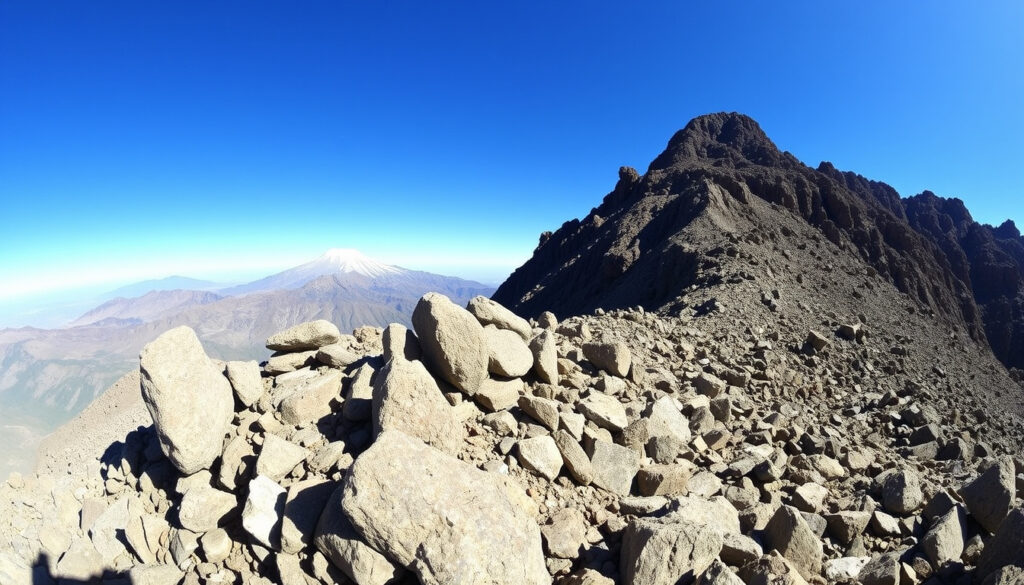
There’s something magnetic about standing on the highest point in North Africa. It’s not just the view—it’s knowing you got there on your own two feet, after a climb that’s tough enough to test your legs but gentle enough to welcome beginners. That’s why Mount Toubkal, at 4,167 m, has become a bucket-list favorite for first-time high-altitude trekkers. But how does it really compare to the big one down south—Kilimanjaro? This guide lays out the facts, the risks, and the practical decisions you’ll face.
Elevation: 4,167 m (13,671 ft) · Highest peak in: Morocco, Atlas Mountains, North Africa, Arab world · Typical trek duration: 2 days · Technical difficulty: Non-technical, class 2/3 scrambling · First ascent: 1923 by Marquis de Segonzac
Quick snapshot
- Toubkal is the highest peak in North Africa at 4,167 m (Wikipedia – Toubkal National Park)
- No technical climbing required for the standard route (Horizon Guides – Morocco trekking specialists)
- Altitude sickness is a real risk above 3,000 m (CDC Yellow Book – Adventure Travel Guidelines)
- Most trekkers complete the climb in 2 days (Horizon Guides – Toubkal trek overview)
- Exact annual number of climbers on Toubkal is not officially published.
- Total number of deaths on Toubkal is not centrally recorded.
- Most trekkers ascend from the trailhead at 1,800 m to the refuge at 3,200 m on day 1, then summit and descend on day 2 (Horizon Guides – typical itinerary)
- Consider comparing Toubkal with other beginner-friendly high-altitude treks like Kilimanjaro to gauge which suits your goals (Much Better Adventures – Kilimanjaro beginner guide)
| Attribute | Value |
|---|---|
| Elevation | 4,167 m (13,671 ft) |
| Prominence | 3,756 m (12,323 ft) |
| Location | Toubkal National Park, Morocco |
| First ascent | 1923 by Marquis de Segonzac |
| Easiest route | South C1 route (non-technical) |
| Range | High Atlas Mountains |
Is Mount Toubkal harder than Kilimanjaro?
What makes Toubkal challenging?
Toubkal’s challenge comes not from technical climbing but from the rapid altitude gain. In two days you climb from roughly 1,800 m to 4,167 m—a vertical gain of nearly 2,400 m (Horizon Guides – elevation profile). That pace leaves little time for acclimatization, which is why altitude sickness is the main difficulty. A local guide from Toubkal National Park puts it bluntly: “Most people who struggle are those who rush the ascent. Take it slow and you’ll reach the top.”
How does Toubkal compare to Kilimanjaro in altitude, duration, and technical difficulty?
Two mountains, two very different profiles. Here’s how they stack up side by side.
Three key dimensions, one clear pattern:
| Attribute | Toubkal (Morocco) | Kilimanjaro (Tanzania) |
|---|---|---|
| Summit elevation | 4,167 m (Wikipedia – Toubkal) | 5,895 m (Wikipedia – Kilimanjaro) |
| Standard duration | 2 days (Horizon Guides) | 5–9 days (Much Better Adventures) |
| Technical difficulty | Non-technical hike, class 2/3 scrambling (Horizon Guides) | Non-technical on main routes, some scree sections (Much Better Adventures) |
| Acclimatization profile | Fast ascent, high altitude sickness risk (Wikipedia – altitude sickness) | Longer itineraries allow better acclimatization |
The pattern: Kilimanjaro is nearly 1,700 m higher, but Toubkal’s compressed timeline makes altitude hit harder and faster. A beginner climbing Toubkal in two days faces a steeper acclimatization curve than someone spending a week on Kilimanjaro’s Marangu route.
Which mountain is better for a beginner?
It depends on your definition of “better.” If you want a short, low‑cost introduction to high altitude, Toubkal wins. The two‑day investment, low technical demand, and proximity to Marrakech make it unusually accessible. Kilimanjaro demands more time, money, and physical endurance. But its longer routes reduce altitude risk—an advantage especially for trekkers who don’t know how their body responds above 4,000 m.
Toubkal is easier logistically but riskier physiologically. Beginners who rush the summit often regret it. Kilimanjaro is the safer choice if you have the time and budget.
Do you need oxygen to climb Toubkal?
What altitude is considered high altitude?
Most guidelines classify any elevation above 2,500 m as high altitude. Toubkal’s summit at 4,167 m is well into the “very high” category (>3,500 m), where altitude sickness becomes common (Wikipedia – altitude sickness thresholds). The CDC Yellow Book – Adventure Travel notes that travelers to such elevations may require medications like acetazolamide to prevent or treat altitude illness.
What are symptoms of altitude sickness on Toubkal?
Headache, nausea, dizziness, and fatigue are the early signs. The CDC Yellow Book warns that ataxia (loss of coordination) and altered mental status indicate high‑altitude cerebral edema—a medical emergency. On a two‑day Toubkal trek, symptoms can appear suddenly above the refuge at 3,200 m.
Can you climb Toubkal without supplementary oxygen?
Yes. Nearly all trekkers climb Toubkal without bottled oxygen. The summit is 4,167 m, which is below the typical threshold where supplemental oxygen is recommended (above 6,000 m for mountaineering). However, the fast ascent means your body has less time to produce red blood cells. Proper acclimatization—including a rest day at the refuge and a slow pace—is critical and recommended by experts at the AAA Club Alliance – altitude travel guidance.
The lack of oxygen isn’t the problem—it’s the lack of time to adapt. Most altitude‐related incidents on Toubkal happen on summit day when trekkers push too hard.
What I Wish I Knew Before Climbing Mount Toubkal
What to pack for Toubkal?
Temperatures drop below freezing at night even in summer. An experienced trekker on a travel blog reflects: “I wish I had known how cold it gets at night. A -10°C sleeping bag is a must even in summer.” Water sources are limited on the mountain; carry at least 3 litres per person (Horizon Guides – packing list).
Is a guide necessary?
While it’s possible to climb Toubkal independently, booking a local guide is strongly recommended for safety, navigation, and cultural insight. The trekker adds: “Don’t underestimate altitude; many trekkers turn back because they didn’t plan for the climb.” The standard route is non‑technical, but route‑finding in bad weather can be tricky. A guide also helps manage pace and early signs of altitude sickness.
What are common beginner mistakes?
Rushing the ascent is the number one mistake. Most guides recommend a slow, steady pace—”pole pole” as they say on Kilimanjaro. Other errors include insufficient warm clothing (especially gloves and hat), not drinking enough water, and skipping a rest day at the refuge. The CDC Yellow Book emphasizes that proper ascent profile and symptom monitoring are key to prevention.
How to prepare physically?
You don’t need to be an athlete, but cardiovascular fitness helps. Many beginners train with stair climbing and long weekend hikes carrying a pack. The 2,400 m of elevation gain over two days is equivalent to climbing 800 floors—being in decent shape makes the experience far more enjoyable.
Physical fitness doesn’t prevent altitude sickness. Even marathon runners can get hit if they ascend too fast. The best preparation is learning to listen to your body and being willing to turn back.
Is Toubkal the highest mountain in Africa?
Which mountain is the highest in Africa?
No. Kilimanjaro (5,895 m) is the highest mountain in Africa, as listed by Wikipedia – Mount Kilimanjaro. Toubkal is the highest peak in Morocco, the Atlas Mountains, North Africa, and the Arab world, but not the entire continent.
How does Toubkal rank globally?
By prominence (3,756 m), Toubkal is the 40th most prominent peak in the world (Wikipedia – Toubkal National Park). That’s an impressive rank—far higher than many more famous mountains. Its isolation as the highest point in a vast region gives it that prominence.
What is the highest peak in North Africa?
Toubkal holds that title at 4,167 m. It’s the only summit above 4,000 m in the region, making it a standout objective for anyone ticking off continental high points.
Here are the detailed specs for those who like numbers:
| Specification | Value |
|---|---|
| Elevation | 4,167 m (13,671 ft) |
| Prominence | 3,756 m (12,323 ft) |
| Location | Toubkal National Park, Morocco |
| First ascent | 1923 by Marquis de Segonzac |
| Easiest route | South C1 route (non-technical) |
| Range | High Atlas Mountains |
| Mountain type | Granite peak |
| Coordinates | 31°03′N 7°54′W |
Is climbing Mount Toubkal dangerous?
What are the main risks on Toubkal?
The three biggest risks are altitude sickness, falls on loose scree, and sudden weather changes. Freak snowstorms can hit even in summer, making the summit ridge slippery. The CDC Yellow Book highlights that ataxia and altered mental status are red‑flag signs of high‑altitude cerebral edema, which requires immediate descent.
How many people have died on Toubkal?
Exact numbers are not centrally recorded, but deaths are rare compared to Kilimanjaro, which sees approximately 10 deaths per year (Climbing Kilimanjaro – safety statistics). Toubkal’s lower elevation and shorter exposure likely contribute to fewer fatalities. Most incidents involve altitude illness or falls during descent.
How to stay safe?
- Take a slow ascent—include a rest day at the refuge.
- Carry proper cold‐weather gear (the trekker’s advice: night temperatures can be brutal).
- Listen to your guide and turn back if symptoms worsen.
- Use acetazolamide if you have a history of altitude problems—consult your doctor. The CDC Yellow Book notes medications are not substitutes for proper ascent profile.
What about altitude sickness deaths?
Altitude‑related deaths on Toubkal are uncommon but not unknown. The key is early recognition: if you or a partner develops a headache that doesn’t improve with rest and painkillers, descend immediately. The RACGP – Australian Family Physician review provides GPs with guidance on helping travelers prepare for high altitudes.
Altitude sickness deaths on Toubkal are avoidable. The single most effective safety measure is willingness to turn back. No summit is worth a life.
The implication: Toubkal is statistically safe, but only for those who treat altitude with respect. The ones who get into trouble are almost always the ones who ignore the early warning signs.
Upsides
- Non‑technical route suitable for beginners (Horizon Guides)
- Short duration (2 days) and low cost
- Stunning views of the High Atlas and Sahara on clear days
- Accessible from Marrakech (2‑hour drive to trailhead)
- Sense of achievement as highest point in North Africa
Downsides
- Fast ascent increases altitude sickness risk
- Cold temperatures at night even in summer (below freezing)
- Limited water sources on the mountain
- Can be crowded in peak season (July‑August)
- Winter climbs require technical gear (crampons, ice axe)
“Most people who struggle are those who rush the ascent. Take it slow and you’ll reach the top.”
Local guide from Toubkal National Park, quoted from Horizon Guides
“I wish I had known how cold it gets at night. A -10°C sleeping bag is a must even in summer.”
Experienced trekker, travel blog
For the beginner weighing these two mountains, the choice is clear: choose Toubkal if you have limited time and want a taste of high altitude. Choose Kilimanjaro if you can afford the longer commitment and want a safer acclimatization window. But either way, the lesson from both peaks is the same—altitude doesn’t care how fit you are. It only cares how fast you go up.
For the beginner weighing these two mountains, the choice is clear: Toubkal offers a fast, low‑cost intro to high altitude, but demands discipline. Kilimanjaro is the safer bet for those who can spare the extra days. For a first‑time high‑altitude trekker, the implication is: respect the elevation, pack for cold, and never be ashamed to turn around.
zaratanzaniaadventures.com, travelwithwandr.com, iantaylortrekking.com, en.wikipedia.org, canadamonitor.net
Frequently asked questions
Can I climb Toubkal in winter?
Yes, but winter climbing requires technical gear including crampons and an ice axe. The summit is often snow‑covered from December to March. Only attempt with an experienced guide.
What is the best time of year to climb Toubkal?
April to October offers the most stable weather. Summer (July‑August) is popular but crowded. Spring and autumn provide milder temperatures and fewer crowds.
Do I need a visa for Morocco as a tourist?
Many nationalities (including US, UK, EU, Canada, Australia) do not need a visa for stays up to 90 days. Check with the Moroccan embassy for your country.
How much does it cost to climb Toubkal?
A guided 2‑day trek costs roughly €150–€250 including meals, accommodation at the refuge, and guide fees. Independent trekkers pay park entry fees (~€8) and refuge fees (~€15 per night).
Is Toubkal suitable for children?
Determined teenagers in good fitness have summited, but altitude makes it risky for young children. Most guides recommend a minimum age of 12, and only with proper acclimatization.
Do I need prior hiking experience to climb Toubkal?
No technical climbing experience is required, but basic hiking fitness and familiarity with walking on uneven terrain help. A practice hike with a loaded pack is recommended.
What gear is essential for Toubkal?
Sturdy hiking boots, warm layers (including a down jacket and hat), a -10°C sleeping bag, waterproof shell, sunglasses, sunscreen, and at least 3 litres of water capacity.
How do I get to the trailhead from Marrakech?
Take a shared grand taxi from Marrakech to Imlil (about 2 hours, €10–€15 per person). The trailhead starts in Imlil village.
Related reading
More related posts
 Oasis Bonehead: Reunion Exit, Cancer, and His Career
 Julia Louis-Dreyfus: Biography, Net Worth, Career & Personal Life
 Mutya Buena: Sugababes Career, Solo Albums, Family & More
 Postman Pat: History, Characters, and Why the Show Ended
 Man Cave Meaning, Origin, Costs, and Design Trends
 UK Monthly Entry Clearance Visa Applications – Key 2025 Declines
 Jenna Davis: Age, Career, M3GAN Role, and Country Music
 Patrick Dempsey: Age, Net Worth, Wife, Children, Diagnosis, and More