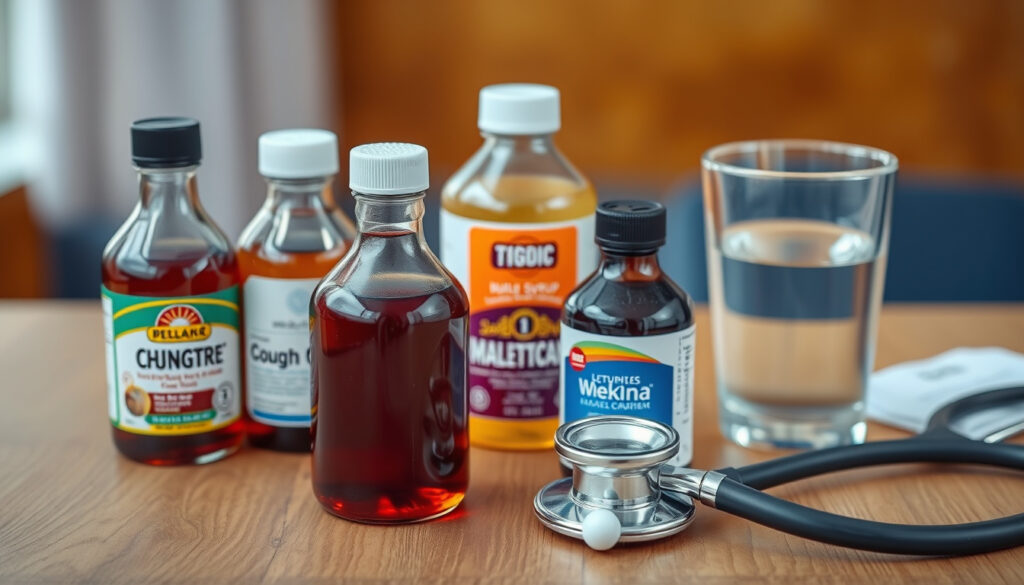
Cough Medicine: Types, Best Picks, and When to See a Doctor
Anyone who has stood in front of a pharmacy shelf trying to decide between a cough suppressant and an expectorant knows the frustration. This guide lays out the evidence behind common OTC ingredients, safety rules for children, and the red flags that mean it’s time to see a doctor — because most acute coughs resolve within three weeks, but the right choice matters.
Percentage of acute coughs that resolve without treatment within 3 weeks: 40–50% (Patient.info) ·
Number of over-the-counter cough medicine products available in the UK: over 175 (Drugs.com) ·
Most common ingredient in OTC cough suppressants: Dextromethorphan (Patient.info)
Quick snapshot
- Honey reduces nocturnal cough in children over 1 year (Patient.info)
- Dextromethorphan is a safe OTC suppressant for adults short term (Patient.info)
- Guaifenesin helps expectoration but does not shorten cough duration (Pharmacy Magazine)
- Effectiveness of antihistamines for cough without allergies (Patient.info)
- Role of vitamin C or zinc in preventing or treating cough (Pharmacy Magazine)
- Evidence for Bronchostop Cough Relief Syrup is limited (Tesco)
- Acute coughs typically last 1–3 weeks (Patient.info)
- Most resolve without antibiotics within that window (Notts APC NHS)
- Identify cough type (dry vs chesty) to choose active ingredient (Patient.info)
- Check age restrictions before giving any OTC product (NHS Scotland)
- See a GP if cough lasts >3 weeks or red flags appear (Notts APC NHS)
The facts below summarise the key differences between cough types and treatments.
| Label | Value |
|---|---|
| Types of cough | Dry, chesty, barking, whooping |
| Common OTC active ingredients | Dextromethorphan, guaifenesin, carbocisteine, codeine |
| Cough duration (acute) | Typically 1–3 weeks |
| Red flag symptoms | Blood, high fever, shortness of breath, chest pain |
The implication: most coughs are self-limiting, but matching the right ingredient to the cough type and being aware of red flags can prevent unnecessary suffering.
Which medicine is best for a cough?
Cough suppressants vs expectorants
- Suppressants (e.g., dextromethorphan) act on the cough centre in the brain to reduce the urge to cough. They are indicated for dry, non-productive coughs (Patient.info).
- Expectorants (e.g., guaifenesin) thin mucus, making it easier to cough up. They are used for chesty (productive) coughs (Patient.info).
- Mucolytics (e.g., carbocisteine) break down thick phlegm and are often used for chronic chesty coughs (Notts APC NHS).
The catch: no OTC ingredient cures the underlying cause — they only manage symptoms. For acute coughs, the evidence shows that simple home remedies are often as effective as active ingredients.
Best OTC medicines for dry cough
- Dextromethorphan (e.g., Benylin Dry Cough) is the most common OTC suppressant. It works within 15–30 minutes and is safe for short-term adult use (Patient.info).
- Codeine linctus is available for adults with dry cough but is contraindicated in children under 18 and people with breathing difficulties (MHRA).
- Pholcodine is another suppressant, but its use has been restricted after safety concerns about allergic reactions during anaesthesia (Pharmacy Magazine).
Best OTC medicines for chesty cough
- Guaifenesin (e.g., Benylin Chesty Cough, Exputex) is the standard expectorant for thinning mucus (Notts APC NHS).
- Carbocisteine (e.g., Exputex) is a mucolytic that breaks down thick phlegm. It is suitable for adults and children over 12 (Notts APC NHS).
- Bronchostop Cough Relief Syrup is marketed for both dry and chesty coughs, but its evidence is limited (Tesco).
Cough medicine for children and babies
- Children under 6 years: The MHRA advises that OTC cough suppressants, expectorants, antihistamines, and decongestants should not be used. Only simple syrups containing glycerol, honey, or lemon are recommended (Pharmacy Magazine).
- Children 6–12 years: OTC products may be considered only if other measures have failed, and treatment should be limited to five days (Pharmacy Magazine).
- Children under 2 years: Non-prescription cough and cold medicines containing dextromethorphan, pholcodine, guaifenesin, or decongestants are contraindicated (NHS Scotland).
- Babies under 12 months: Honey should be avoided because of the risk of botulism (Patient.info).
Parents face the most confusion. The safest option for young children is a simple glycerol, honey, and lemon syrup — not a multi-ingredient product. The risk of side effects from active ingredients in young children often outweighs any benefit.
The trade-off: for adults, suppressants and expectorants offer real symptom relief, but they don’t treat the cause. For children, the evidence is clear: less is more.
What is the fastest way to cure a cough?
Home remedies that work quickly
- Honey (1–2 teaspoons) can reduce cough frequency in adults and children over 1 year. It is as effective as some OTC suppressants for nocturnal cough (Patient.info).
- Warm fluids (tea, broth, honey and lemon) soothe the throat and help loosen mucus (Patient.info).
- Steam inhalation can moisten airways and ease a dry cough, though evidence is mixed (Pharmacy Magazine).
Hydration and honey for immediate relief
Staying well‑hydrated thins mucus, making it easier to clear. A warm drink with honey can provide immediate soothing. For children over 1 year, a small dose of honey before bed has been shown to reduce cough frequency and improve sleep (Patient.info).
When to choose a cough suppressant for speed
Dextromethorphan works within 15–30 minutes and is the fastest OTC option for a dry, hacking cough. However, it should not be used for chesty coughs because suppressing the cough reflex can trap mucus (Patient.info).
For immediate relief of a dry cough, dextromethorphan is the fastest medicine. For a chesty cough, honey and warm fluids are the fastest, safest first step. No OTC product “cures” a cough — they buy time while the body heals.
The pattern: speed comes from suppressants for dry coughs and from expectorants for chesty coughs. But the fastest “cure” is often doing nothing — most acute coughs resolve within 3 weeks without any treatment.
What are the 4 types of coughs?
Dry cough (non‑productive)
- Caused by irritation, allergies, post‑nasal drip, or viral infections (Patient.info).
- No mucus is produced. OTC suppressants (dextromethorphan) are the first‑line treatment.
Chesty cough (productive)
- Involves mucus production. Expectorants (guaifenesin) or mucolytics (carbocisteine) help clear the phlegm (Notts APC NHS).
- Common in bronchitis and pneumonia.
Barking cough (croup)
- Typically affects young children. It is caused by viral inflammation of the larynx and trachea (NHS Scotland).
- Requires medical evaluation, especially if breathing becomes difficult.
Whooping cough (pertussis)
- A bacterial infection that causes severe coughing fits followed by a “whoop” sound (Notts APC NHS).
- Requires antibiotics and is not treated with OTC medicines.
Most people assume all coughs are the same. But the wrong treatment can make things worse: using a suppressant on a chesty cough traps mucus, and using an expectorant on a dry cough offers no relief.
The implication: correctly identifying the cough type is the single most important step before buying any medicine.
How can I get rid of a hard cough?
Medical treatments for persistent cough
- If a cough lasts more than 3 weeks, it is considered persistent and requires a medical evaluation (Patient.info).
- Underlying causes may include asthma, GERD, post‑nasal drip, or even medication side effects (e.g., ACE inhibitors).
- Mucolytics like carbocisteine (Exputex) can help break down thick phlegm in chronic chesty coughs (Notts APC NHS).
Lifestyle changes to reduce cough severity
- Avoid irritants: smoke, dry air, strong perfumes, and dust (Pharmacy Magazine).
- Use a humidifier or take steam showers to moisten airways.
- Elevate your head while sleeping to reduce post‑nasal drip.
When to use a mucolytic (e.g., Exputex)
Carbocisteine (Exputex) is a mucolytic that reduces the viscosity of mucus. It is licensed for adults and children over 12 years with chesty coughs. It is not a suppressant — it makes coughing more productive (Notts APC NHS).
A “hard cough” that doesn’t respond to OTC treatment within 2 weeks may signal an underlying condition. Don’t just keep buying stronger cough syrup — see a GP.
The catch: OTC treatments are for symptom relief only. If a cough is persistent, the real solution is diagnosing and treating the root cause.
What is a red flag in coughing?
Signs that require immediate medical attention
- Coughing up blood (hemoptysis) — even small amounts warrant urgent care (Patient.info).
- High fever (over 38°C) with cough may indicate pneumonia or bronchitis (Notts APC NHS).
- Shortness of breath at rest is a medical emergency.
- Chest pain when coughing or breathing deeply.
- Rapid breathing (tachypnea) or blue lips/fingertips (cyanosis).
Coughing up blood (hemoptysis)
Any amount of blood in sputum should be evaluated. Causes can range from a simple respiratory infection to more serious conditions like pulmonary embolism or lung cancer. Always seek medical advice (Patient.info).
Cough with fever, chest pain, or shortness of breath
These symptoms together suggest a lower respiratory tract infection (pneumonia or acute bronchitis). Antibiotics may be needed. OTC cough medicines are not appropriate (Notts APC NHS).
If you’re coughing up blood, have a high fever, or can’t catch your breath, stop self‑treating and go to A&E. OTC cough medicine will not help and may delay diagnosis.
The implication: red flags are the body’s way of saying “this is not a simple cough.” Trust them, and don’t reach for the medicine cabinet.
Comparison of OTC cough medicine ingredients
Three ingredient classes, one key difference: suppressants stop the urge, expectorants thin the mucus, and mucolytics break it down.
| Ingredient | Type | Onset | Age restriction | Best for |
|---|---|---|---|---|
| Dextromethorphan | Suppressant | 15–30 min | ≥12 years (OTC); <6 years avoid | Dry cough |
| Guaifenesin | Expectorant | 30–60 min | ≥12 years (OTC); <6 years avoid | Chesty cough |
| Carbocisteine | Mucolytic | Within 1 hour | ≥12 years | Chesty cough with thick phlegm |
| Codeine | Suppressant (opioid) | 30–60 min | ≥18 years only; contraindicated in children | Dry cough (adults only) |
The pattern: the older the patient, the more options exist. For children, the palette narrows dramatically. The safest choice is the one that matches the cough type and respects age limits.
Common UK OTC cough medicine products
Four brands, four formulations — the active ingredient matters more than the brand name.
| Product | Active ingredient | Type | Age | Price range |
|---|---|---|---|---|
| Benylin Dry Cough | Dextromethorphan | Suppressant | 12+ | £4–£6 |
| Benylin Chesty Cough | Guaifenesin | Expectorant | 12+ | £4–£6 |
| Exputex | Carbocisteine | Mucolytic | 12+ | £5–£8 |
| Bronchostop Cough Relief | Thyme extract, marshmallow | Traditional herbal | 12+ | £5–£7 |
| Simple linctus (glycerol, honey, lemon) | Glycerol, honey, lemon | Demulcent | All ages (no honey under 1 year) | £2–£4 |
What this means: simple linctus is the safest choice for children and the cheapest. For adults, the choice should be driven by cough type, not brand loyalty.
Pros and cons of OTC cough medicines
Upsides
- Fast symptom relief for dry and chesty coughs
- Widely available without prescription
- Well‑studied ingredients with established safety profiles for adults
- Can be used alongside home remedies
Downsides
- Do not treat the underlying cause (viral, bacterial, allergy)
- Risk of side effects (drowsiness, dizziness, nausea)
- Contraindicated in young children and some medical conditions
- Overuse can lead to misuse (especially codeine‑based products)
The trade-off: OTC cough medicines are convenient tools for symptom management, but they are not a substitute for medical diagnosis. The evidence shows that for most acute coughs, the best approach is supportive care, not a pill or syrup.
How to choose the right cough medicine: a step‑by‑step guide
- Identify the cough type. Is it dry (tickly, no mucus) or chesty (phlegm, rattling)? Use a suppressant for dry, an expectorant or mucolytic for chesty (Patient.info).
- Check age restrictions. If the patient is under 6, avoid all OTC active ingredients. Use simple glycerol, honey, and lemon syrup. For children 6–12, consider OTC only if simple measures fail, and limit to 5 days (Pharmacy Magazine).
- Consider home remedies first. Honey, warm fluids, and steam are often as effective as OTC products and have fewer side effects (Patient.info).
- Read the label. Look for the active ingredient (dextromethorphan, guaifenesin, carbocisteine). Do not choose based on brand name alone (Drugs.com).
- Set a time limit. If symptoms do not improve after 7 days, or if they worsen, see a GP. Do not self‑medicate for more than 2 weeks (Notts APC NHS).
Most people skip steps 1 and 2 and grab the first product they see. That’s how a person with a chesty cough ends up taking a suppressant, trapping mucus and prolonging the illness.
Why this matters: following these steps turns a confusing pharmacy aisle into a simple decision tree. The result is better symptom relief and fewer wasted pounds.
Expert perspectives on cough medicine
Chronic cough requires a thorough evaluation to identify underlying causes such as asthma, GERD, or postnasal drip. Over‑the‑counter medicines are not a substitute for a proper diagnosis.
If you have a cough that produces blood, or if you have difficulty breathing, chest pain, or a high fever, you should see a doctor immediately. These are signs of a more serious condition.
There are over 175 different cough medicines available over the counter in the UK. The choice can be overwhelming, but the key is to match the active ingredient to the type of cough.
The common thread: experts agree that OTC medicines are tools, not cures. The real value lies in using them correctly — and knowing when to stop.
Summary: what to take away
Most coughs are viral and self‑limiting. OTC cough medicines can provide welcome symptom relief, but they are not a cure and are not safe for all ages. The evidence‑based approach is to identify your cough type, respect age restrictions, try simple home remedies first, and see a doctor if red flags appear or symptoms persist beyond 3 weeks. For the UK consumer standing in the pharmacy aisle, the choice is clear: match the active ingredient to the cough, not the brand to the shelf. The safest bet for children under 6 is a simple glycerol, honey, and lemon syrup — and for adults, a single‑ingredient product targeted to the cough type. Anything else is just costly marketing.
nhstaysideadtc.scot.nhs.uk, pharmsee.co.uk, swlimo.southwestlondon.icb.nhs.uk, assets.publishing.service.gov.uk, superdrug.com, aktuellblick.at
For readers in the UK, a dedicated UK cough medicine guide offers region-specific brand comparisons and safety rules.
Frequently asked questions
Can cough medicine be taken with other medications?
Some cough medicines contain ingredients that interact with other drugs (e.g., dextromethorphan with MAOIs). Always check the label and consult a pharmacist or GP if you take other medications (Patient.info).
How long does cough medicine take to work?
Dextromethorphan starts working within 15–30 minutes. Guaifenesin and carbocisteine may take 30–60 minutes. Most products provide relief for 4–6 hours (Patient.info).
Is cough medicine safe during pregnancy?
Many OTC cough medicines are not recommended during pregnancy, especially those containing codeine or high doses of dextromethorphan. Paracetamol and simple honey and lemon are safer options. Always consult a midwife or GP (Pharmacy Magazine).
Can I give adult cough medicine to a child?
No. Adult cough medicines often contain higher doses of active ingredients that are not safe for children. The MHRA advises that OTC cough and cold medicines should not be used in children under 6 years (Pharmacy Magazine).
Does cough medicine expire?
Yes, all cough medicines have an expiry date. Using expired medicine may reduce effectiveness and, in rare cases, cause bacterial growth. Always check the date before use (Drugs.com).
What natural remedies are proven for cough?
Honey (for children over 1 year) is the most evidence‑supported natural remedy. Warm fluids, steam, and saline nasal sprays also help. Vitamin C and zinc have not been shown to prevent or treat cough (Patient.info).
Should I take cough medicine for a COVID cough?
If you have a mild COVID cough, OTC cough medicines can be used for symptom relief, but they do not treat the virus. Monitor for red flags like shortness of breath or high fever. If symptoms worsen, seek medical advice (Notts APC NHS).
More related posts
 Bray Wyatt Death: Cause, Last Words, and Tributes
 Harriet Cowan: Age, Accident, Relationship, and Net Worth
 Tara Sutaria: Relationship Status, Net Worth, and Age
 Women’s Jeans in Ireland: Best Brands, Fits & Buying Guide (2025)
 Shane Warne death: cause, will, funeral and drug claims
 Lauren Lyle: Biography, Career & Facts
 New York Time Now: Current Local Time & Time Zone Guide
 Bowel Cancer Survival Rate by Stage: Key Facts and Prognosis