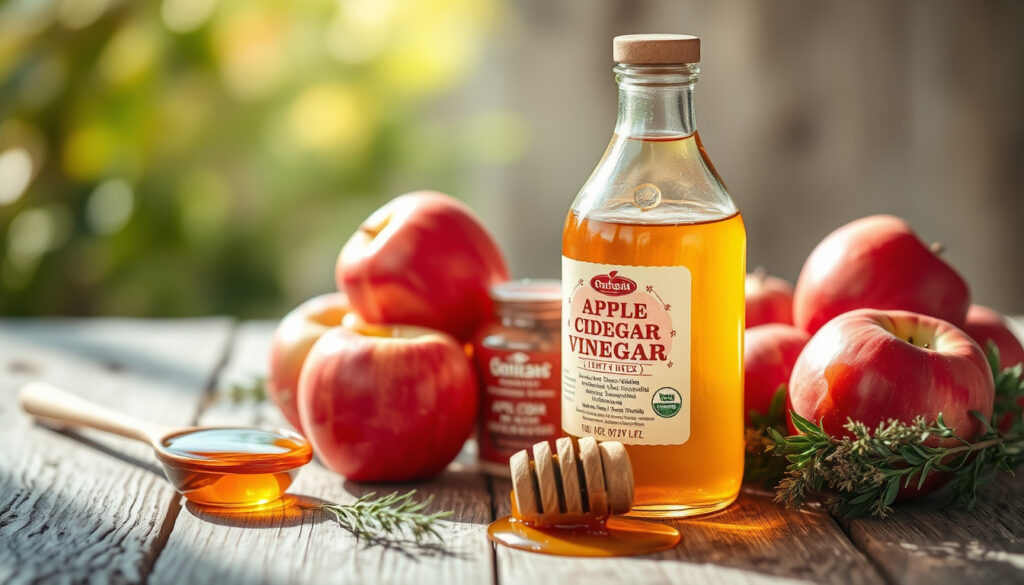
Apple Cider Vinegar Benefits: Proven Health Effects & Safe Use
Apple cider vinegar has been a staple in wellness circles for years, but separating the science-backed benefits from the hype takes some effort. One of the strongest findings: taking ACV with meals can cut post-meal blood sugar spikes by 20–30% in people with insulin resistance, according to Oregon State University research. The effects are real, but modest—and they work best alongside an overall healthy diet, not as a magic fix. Here is what the evidence actually supports, how to use it safely, and what to watch out for.
Blood sugar control: Lowers post-meal glucose per studies · Weight loss aid: Supports modest reduction · Cholesterol impact: May decrease levels · Antibacterial properties: From acetic acid · Belly fat reduction: Linked in trials
Quick snapshot
- Reduces post-meal blood sugar spikes (American Heart Association)
- Lowers fasting blood glucose and HbA1c in type 2 diabetes (PubMed)
- Kills certain bacteria due to acetic acid content (WebMD)
- Whether dramatic weight loss results translate to broader populations
- Long-term cholesterol benefits beyond 8–12 week trials
- Optimal form (liquid vs. capsule) and exact dosing
- 2024: AHA reviewed ACV claims, confirming postprandial glucose effect
- 2023: PubMed RCT published on 30ml daily for 8 weeks
- Ongoing trials comparing liquid vs. supplement forms
- Larger RCTs underway to confirm benefits
- Potential standardization of ACV supplement formulations
- Growing recognition as adjunct therapy for type 2 diabetes
Here is what the key studies measured across ACV trials on blood sugar, weight, and cholesterol markers.
| Label | Value |
|---|---|
| Key compound | Acetic acid 4–8% |
| Daily dose range | 1–2 tablespoons diluted |
| Blood glucose drop | Significant in trials |
| Weight loss trials | 1–2kg over 12 weeks |
What will happen if you take apple cider vinegar every day?
Daily ACV consumption produces measurable effects for blood sugar and weight, but the magnitude depends on your starting point and how consistently you take it. The benefits build over weeks, not hours.
Blood sugar effects
A meta-analysis of 7 studies found ACV reduced fasting blood sugar by -21.929 mg/dL and HbA1c by -1.53% — with stronger effects at doses above 10ml per day. An 8-week RCT using 30ml daily showed significant reductions in fasting blood glucose (p=0.01), HbA1c (p<0.001), and LDL cholesterol (p<0.001). The American Heart Association notes postprandial glycemia reduction is the best-supported claim. ACV increases insulin hormone levels and delays gastric emptying, giving cells more time to absorb glucose.
Weight management outcomes
Research from the University of Chicago found that 15ml ACV with meals plus a calorie-restricted diet led to 8.8 lbs weight loss over 12 weeks, compared to 5 lbs in the control group. The acetic acid appears to suppress appetite slightly by stabilizing blood sugar, though the metabolic boost is minimal, according to BSW Health.
Digestive changes
Taking ACV before bed — two tablespoons diluted in water — can reduce morning fasting glucose, according to research published in Frontiers. The mechanism involves slower gastric emptying overnight, allowing better glucose utilization.
The implication: for people with type 2 diabetes or insulin resistance, daily ACV can meaningfully improve glycemic markers. For generally healthy individuals, the blood sugar benefits are real but subtler.
Does Apple Cider Vinegar Really Improve Your Health?
Yes — but within limits. The science supports certain benefits while showing others need more evidence. Here is what research confirms versus what remains uncertain.
Proven benefits from studies
Multiple peer-reviewed sources back ACV’s effects on blood sugar. A 2021 meta-analysis reported ACV reduced fasting blood glucose by 8 mg/dL in type 2 diabetes patients. An older analysis found it cut total cholesterol by -6.06 mg/dL and fasting plasma glucose by -7.97 mg/dL, with stronger results at doses of 15ml or less per day over 8+ weeks. The evidence for postprandial glucose reduction is the most robust, consistently showing 20–30% drops in insulin-resistant individuals when 15–30ml is taken with high-carb meals.
The best-supported benefit is post-meal blood sugar control. If you have type 2 diabetes or prediabetes, ACV can help — but it will not replace medication or a proper diet plan.
Antibacterial properties
The acetic acid in ACV kills certain bacteria, making it useful for food preservation and minor topical applications. WebMD notes these antibacterial effects are well-documented, though they are distinct from the internal health claims around blood sugar and weight.
Heart health support
ACV may lower LDL cholesterol and triglycerides, per PMC research. A meta-analysis showed reductions in body weight, BMI, and waist circumference across overweight and type 2 diabetes populations. However, the American Heart Association advises that these effects are modest and more research is needed before recommending ACV specifically for heart health.
What this means: ACV works best as part of a broader health strategy. It complements diet and exercise but will not counteract a poor lifestyle on its own.
How to take apple cider vinegar to reduce belly fat?
Targeted ACV use can support belly fat reduction, though results are modest and depend on consistent effort in other areas. Here is how to use it effectively.
Dosage recommendations
The research-backed dose ranges from 15ml to 30ml (1–2 tablespoons) diluted in at least 200ml of water. Taking it undiluted risks tooth enamel erosion and throat irritation. A 12-week study using 30ml daily showed significant reductions in BMI, waist-to-hip ratio, and fasting blood sugar in type 2 diabetes patients. The PMC meta-analysis found effects appeared in both 4–8 week and longer (9+ week) studies.
Doses above 10ml per day show stronger effects on fasting blood sugar, according to the 7-study meta-analysis. Consistency matters more than taking a large single dose.
Timing for best results
Taking ACV before meals — particularly high-carb meals — produces the strongest blood sugar effects. For belly fat specifically, research suggests taking it 30–60 minutes before eating gives acetic acid time to slow gastric emptying. An Oregon State University analysis notes timing matters less than overall consistency, but pre-meal dosing aligns with how the mechanism works.
Combination drinks
Popular combinations include ACV with water, honey (in small amounts), lemon juice, or mixed into salad dressings. Avoid adding excessive sugar, which counters the blood sugar benefits. Some people incorporate ACV into morning drinks with cinnamon or ginger, though research does not specifically validate these combinations.
The catch: ACV alone will not spot-reduce belly fat. The weight loss seen in studies involved calorie-restricted diets alongside ACV. Expect 1–2kg over 12 weeks if you are also eating carefully and exercising.
Is it good to drink apple cider vinegar every morning?
Morning ACV consumption has become popular, and there is some logic behind it — but timing depends on your goals. Here is what the evidence suggests.
Morning vs. night benefits
Taking ACV in the morning on an empty stomach is common practice, but research suggests meal timing matters more for blood sugar control. Frontiers research found that taking two tablespoons before bed reduced morning fasting glucose. For people focused on post-meal spikes, taking ACV before dinner or lunch may be more effective than morning-only dosing. However, morning consumption can support digestion and appetite control throughout the day.
Potential risks
Undiluted ACV damages tooth enamel — morning use on an empty stomach increases this risk if you do not rinse afterward. WebMD notes limited side effects overall, but some people experience digestive discomfort. UVA Health advises that ACV will not replace insulin or dietary management for diabetes. Healthline reports mixed small-study results and calls for larger trials to confirm long-term benefits.
Morning routine tips
If you prefer morning use: dilute 1–2 tablespoons in at least 200ml water, drink it through a straw to minimize tooth contact, and rinse your mouth afterward. Wait 20–30 minutes before eating to allow the acetic acid to work on gastric emptying. Some people add a teaspoon of honey for taste, though this adds small calories.
The pattern: morning use is convenient and may aid daily digestion, but for blood sugar control specifically, pre-meal timing (especially before high-carb dinners) is better supported by evidence.
What should you never do while taking apple cider vinegar?
ACV is safe for most people when diluted, but certain practices cause real harm. Avoiding these mistakes determines whether ACV helps or hurts you.
Avoid undiluted intake
Never drink ACV straight from the bottle. Undiluted acetic acid severely damages tooth enamel and can burn or irritate the throat. PMC safety reviews note that the risks come from concentrated use, not diluted doses. Always mix at least 1–2 tablespoons with 200ml+ of water.
Interactions to watch
ACV interacts with diabetes medications, potentially lowering blood sugar too much when combined. It also affects digoxin (heart medication) and some diuretics by altering potassium levels. Healthline advises caution because ACV delays gastric emptying, which affects how oral medications absorb. Always consult your doctor if you are on diabetes drugs, heart medications, or potassium-affecting treatments.
ACV lowers blood sugar — which is helpful — but if you are on insulin or sulfonylureas, combining them with ACV risks dangerous hypoglycemia. Monitoring becomes essential.
Long-term precautions
Daily use over months or years lacks long-term safety data. The PMC meta-analysis notes “limited side effects reported,” but that is based on trials lasting 8–12 weeks. Tooth enamel erosion from chronic use is a documented concern. Consider alternating days or taking breaks if using ACV long-term. The American Heart Association and Healthline both note that results are mixed in smaller studies and larger RCTs are needed to confirm benefits.
The upshot: diluted ACV is safe for most adults, but the risks are real if you are on certain medications or drink it undiluted. Treat it as a complement to your existing health regimen, not a replacement for medical care.
Upsides
- Reduces post-meal blood sugar spikes by 20–30%
- Lowers HbA1c and fasting glucose in type 2 diabetes
- Modest weight loss support (1–2kg over 12 weeks)
- Antibacterial properties from acetic acid
- May reduce LDL cholesterol and triglycerides
- Safe when diluted; minimal side effects reported
Downsides
- Will not replace diabetes medication or diet
- Benefits are modest; not a dramatic fix
- Risks tooth enamel erosion if undiluted
- May interact with diabetes and heart medications
- Long-term safety data lacking
- Results vary by form, timing, and individual health status
How to use apple cider vinegar safely
Following these steps maximizes benefits while minimizing risks.
- Dilute first: Mix 1–2 tablespoons ACV with at least 200ml water. Never drink it straight.
- Time it before meals: Take ACV 30–60 minutes before eating, especially high-carb meals, for best blood sugar effects.
- Use a straw: Drinking through a straw reduces contact with tooth enamel.
- Rinse after: Swish water in your mouth afterward to protect teeth.
- Start low: Begin with 1 teaspoon per day and gradually increase to 1–2 tablespoons to assess tolerance.
- Track your response: Monitor blood sugar if diabetic, or track weight and energy levels weekly.
- Check medications: Consult your doctor if on diabetes drugs, digoxin, or diuretics before starting ACV.
- Consider cycles: If using long-term, consider taking a break every few months rather than daily indefinitely.
“That is the claim that is best supported,” said Wohlford of the American Heart Association regarding postprandial glucose reduction. The take-home message from Dr. Maria Peña, an endocrinologist quoted by Healthline, is that “until a large randomized control trial is done, it is difficult to ascertain the true benefits.” Both expert perspectives highlight that ACV is promising but not yet definitively proven for all its claimed uses.
Research from Oregon State University
ACV provides modest benefits for blood sugar and weight regulation due to acetic acid, but will not cure diabetes or replace treatments.
Research from the University of Chicago Medicine
15ml ACV with meals plus a calorie-restricted diet led to 8.8 lbs weight loss over 12 weeks vs. 5 lbs in the control group.
Related reading: Folic Acid Side Effects
bswhealth.com, clinicaltrials.gov, blogs.oregonstate.edu, uchicagomedicine.org, pubmed.ncbi.nlm.nih.gov, uvahealth.com, aggieresearch.tamu.edu, heart.org, frontiersin.org, healthline.com
Proven effects on blood sugar and cholesterol align with findings in science-backed benefits analysis, which details clinical evidence alongside usage tips for optimal results.
Frequently asked questions
How to take apple cider vinegar for cholesterol?
Research suggests 15ml or less per day for 8+ weeks shows the strongest effects on lipids. A PMC meta-analysis found -6.06 mg/dL total cholesterol reduction and -7.97 mg/dL fasting plasma glucose reduction at these doses. Take it diluted with water before meals, and pair with a heart-healthy diet for best results.
Is it better to drink apple cider vinegar at night or morning?
For blood sugar control, pre-meal timing is most effective — especially before high-carb dinners. For morning fasting glucose, research in Frontiers shows bedtime dosing (two tablespoons before bed) reduces morning readings. Choose based on your primary goal: post-meal spikes or overnight fasting glucose.
Should You Drink Apple Cider Vinegar Before Bed?
Yes, if lowering morning fasting glucose is your goal. Frontiers research confirms this effect. Otherwise, pre-meal dosing is better supported for overall glycemic control. Either way, dilute it in water — bedtime does not change the safety requirement.
How long does it take for apple cider vinegar to flatten your stomach?
Expect 1–2kg (2.2–4.4 lbs) body weight loss over 12 weeks when combining ACV with diet and exercise, per the UChicago study. Belly fat specifically may respond slower. There is no spot-reduction magic — the effect is systemic. Consistency over months matters more than short-term dosing.
Can apple cider vinegar burn belly fat?
ACV does not directly burn fat, but it supports weight loss modestly by stabilizing blood sugar and slightly suppressing appetite. The PMC meta-analysis shows reductions in waist circumference and BMI in type 2 diabetes populations. Real results require combining ACV with calorie restriction and exercise.
What drink burns the most belly fat?
No single drink dramatically burns belly fat. ACV offers modest support as part of a calorie deficit. Green tea, black coffee, and protein shakes also have modest metabolic effects. The key factor is total energy balance — what you eat and drink minus what you burn. ACV can help create a modest deficit; it will not outwork a poor diet.
More related posts
 Bowel Cancer Survival Rate by Stage: Key Facts and Prognosis
 Hafthor Bjornsson: Height, Weight, Deadlift Record, Net Worth & More
 Tim Burton: Career, Relationships, and Why He Quit Disney
 Car Hire Alicante Airport: Cheapest Deals & Reviews
 Ayra Starr: Bio, Relationship, Voice, Dad & 2026 Tour
 Kalogeras Sisters: Ages, Real Names, and Nationality
 Charlie Brooker: Biography, Black Mirror, Net Worth & Family
 Lady Gaga Tour 2025: Dates, Tickets & Europe Schedule