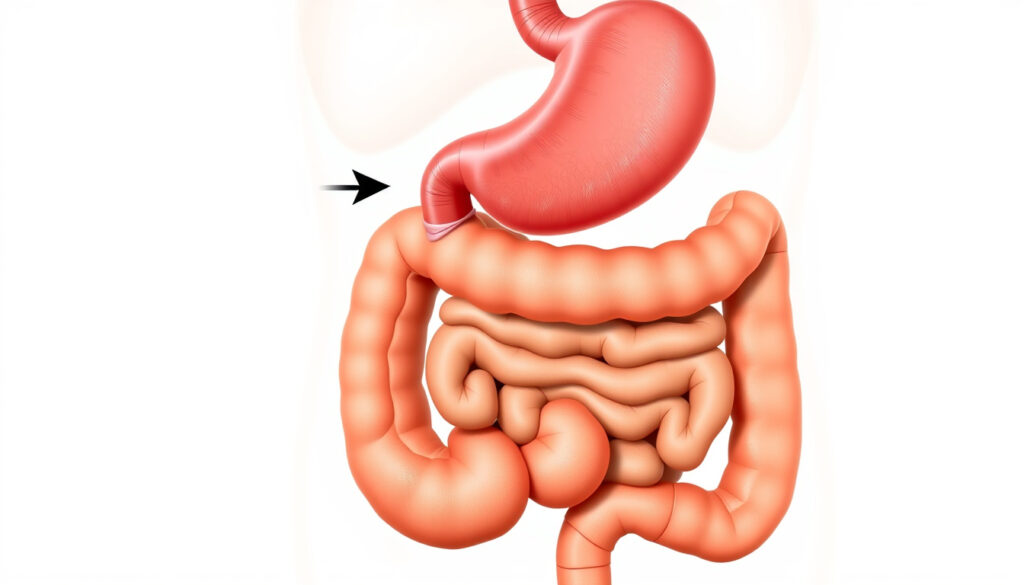
Digestive System: Steps, Organs, Function & Common Questions
Anyone who’s eaten a big meal and felt the aftereffects knows the digestive system works hard — but how exactly does it turn a sandwich into fuel for every cell in your body? This guide walks through the seven steps of digestion, the organs involved, how long the process takes, and what warning signs might mean something’s off. By the end, you’ll have a clear map of how your gut keeps you going — and what to watch for when it doesn’t.
Length of small intestine: ~20 feet (6 meters) ·
Time for full digestion: 24-72 hours ·
Number of major digestive organs: 7 ·
Number of steps in digestion: 7
Quick snapshot
- The digestive tract is a continuous tube from mouth to anus (Cleveland Clinic (major US medical center)).
- Nutrient absorption occurs mainly in the small intestine (Merck Manuals (clinical reference)).
- Common disorders include GERD, IBS, and celiac disease (NIDDK (US National Institute of Diabetes and Digestive and Kidney Diseases)).
- Exact digestion time varies by meal composition and metabolism (PMC (peer-reviewed research)).
- Which drink is “best” for digestion depends on individual health conditions (MedlinePlus (NIH patient education)).
- Long-term weight-management benefits of the 20-minute rule are not fully established. (PMC (peer-reviewed research))
- The long-term impact of individual gut microbiome variations on digestion is not fully understood (PMC).
- Gastric emptying takes 2–5 hours; total transit ranges 24–72 hours (Merck Manuals).
- After digestion, nutrients enter the bloodstream; the liver processes them for energy or storage (SEER Training (US National Cancer Institute education)).
Four key numbers that sum up the system’s scale and pace:
| Fact | Value |
|---|---|
| Small intestine length | ~20 feet (6 meters) |
| Digestion time | 24-72 hours |
| Number of digestive organs | 7 |
| Number of digestion steps | 7 |
What are the 7 steps of digestion?
The process from first bite to final exit follows a precise sequence. Each step relies on mechanical and chemical actions coordinated by nerves and hormones.
- Ingestion – Food enters the mouth where teeth and tongue begin breaking it down (SEER Training).
- Propulsion – Swallowing pushes food into the esophagus; peristalsis (wave-like muscle contractions) moves it to the stomach (Merck Manuals).
- Mechanical digestion – The stomach churns food into a semi-liquid called chyme (SEER Training).
- Chemical digestion – Enzymes and acids in the stomach and small intestine break down proteins, fats, and carbohydrates (healthdirect (Australian government health service)).
- Secretion – The liver, pancreas, and gallbladder release bile and enzymes into the small intestine to aid chemical breakdown (NIDDK).
- Absorption – Nutrients pass through the small intestine wall into the bloodstream (healthdirect).
- Defecation – The large intestine absorbs water and forms stool, which is stored in the rectum and expelled through the anus (Cleveland Clinic).
Each step depends on the one before it. When mechanical breakdown is rushed (skipping chewing), chemical digestion has to work overtime — a common source of bloating and discomfort.
The implication: even if you eat “healthy” food, if any step is skipped or slowed, you won’t get the full benefit. That’s why chewing thoroughly — the 20-minute rule — matters more than most people think.
What are the 7 organs of the digestive system?
The digestive tract is a continuous passage, but each organ has a distinct job. Seven main organs make up the tract itself, plus accessory organs that aid digestion.
| Organ | Primary role |
|---|---|
| Mouth | Mechanical breakdown via teeth; saliva begins starch digestion (SEER Training). |
| Esophagus | Transports food from throat to stomach via peristalsis (Merck Manuals). |
| Stomach | Churns food and mixes with acid and enzymes; produces chyme (Cleveland Clinic). |
| Small intestine | Primary site of digestion and nutrient absorption; ~20 feet long (healthdirect). |
| Large intestine | Absorbs water and electrolytes; forms and stores stool (Merck Manuals). |
| Rectum | Stores feces until defecation (Cleveland Clinic). |
| Anus | Controls expulsion of waste (SEER Training). |
Accessory organs — the liver, pancreas, and gallbladder — produce digestive enzymes, bile, and insulin, but food does not pass through them (NIDDK).
The pattern: the tract is essentially a disassembly line. The mouth does coarse work, the stomach does fine mixing, and the small intestine does the final extraction before waste is compacted in the large intestine.
How long does food take to digest?
Complete digestion — from swallowing to elimination — typically takes between 24 and 72 hours (Merck Manuals). But that window is wide because several factors influence transit time.
- Gastric emptying: Liquid leaves the stomach in about 20–30 minutes; solid food takes 2–5 hours (Cleveland Clinic).
- Food composition: High-fat meals slow emptying; high-fiber meals speed colon transit (PMC (global burden study)).
- Individual variation: Age, genetics, and gut microbiome all affect pace (healthdirect).
Fast digestion isn’t always better. Slow, steady transit gives the small intestine more time to absorb nutrients. The goal is consistency, not speed.
What this means: if you feel bloated or gassy 4-5 hours after a meal, it’s likely still in your stomach or small intestine. If you notice undigested food in stool, transit may be too fast for proper breakdown.
What are four signs that your digestive system isn’t working properly?
Your body sends clear signals when digestion is off. Four common complaints that warrant attention:
- Bloating and gas – Often from swallowing air or incomplete breakdown of certain carbohydrates (PMC (symptom research)).
- Constipation – Fewer than three bowel movements per week; linked to low fiber or dehydration (Cleveland Clinic (gastrointestinal diseases overview)).
- Diarrhea – Loose, watery stools more than three times a day; can signal infection or food intolerance (MedlinePlus).
- Heartburn – A burning sensation in the chest caused by stomach acid flowing back into the esophagus (Cleveland Clinic).
What are the 7 signs of an unhealthy gut?
Beyond the big four, subtler symptoms may indicate deeper issues. Research links gut health to overall well-being, and these signs are often overlooked:
- Bloating and gas
- Constipation
- Diarrhea
- Heartburn
- Unexplained fatigue – The gut produces serotonin and other neurotransmitters; chronic inflammation may drain energy.
- Skin issues – Conditions like eczema and acne are sometimes tied to gut inflammation (PMC).
- Unintentional weight changes – Malabsorption or chronic inflammation can shift weight without diet change (NIDDK).
Why this matters: if three or more of these persist for weeks, the gut probably needs professional attention. Many digestive conditions are manageable when caught early.
What are the 7 most common diseases of the digestive system?
Digestive diseases range from mild irritation to chronic conditions that affect quality of life. The following seven are the most frequently cited in clinical education.
| Disease | Key facts |
|---|---|
| GERD | Chronic acid reflux; affects up to 20% of US adults (Cleveland Clinic). |
| Gallstones | Hardened deposits in the gallbladder; 10-15% of adults have them (MedlinePlus). |
| Celiac disease | Autoimmune reaction to gluten; affects about 1% of the global population (NIDDK). |
| IBS | Functional disorder with abdominal pain and altered bowel habits; 10-15% prevalence (Cleveland Clinic (gastrointestinal diseases)). |
| Crohn’s disease | Chronic inflammatory bowel disease; can affect any part of the tract (UChicago Medicine AdventHealth (regional health system)). |
| Ulcerative colitis | Inflammation limited to the colon and rectum; about 900,000 Americans affected (Cleveland Clinic). |
| Diverticulitis | Inflammation of pouches in the colon wall; more common after age 60 (Cleveland Clinic). |
The catch: these diseases share overlapping symptoms — bloating, pain, altered stools — which is why self-diagnosis is risky. A 2019 global burden study found digestive diseases accounted for 88.99 million disability-adjusted life years (DALYs), or 3.51% of all DALYs worldwide (PMC). That’s a sizable chunk of global illness that often gets misattributed to “stress” or “something I ate.”
“The digestive system is a group of organs that work together to turn food into energy and basic nutrients to feed the entire body.”
— Cleveland Clinic (major US medical center)
“Digestive diseases can cause serious complications and substantial global health burden.”
— National Institute of Diabetes and Digestive and Kidney Diseases (US government research agency)
Step-by-step guide to supporting your digestive health
While you can’t control every variable, these steps are backed by clinical evidence and can reduce the risk of common problems.
- Chew thoroughly – Aim for 20-30 chews per bite. The 20-minute rule (eating slowly) gives your brain time to register fullness (healthdirect).
- Stay hydrated – Water helps dissolve nutrients and prevents constipation. Drink water between meals, not just during.
- Eat fiber from whole foods – Fruits, vegetables, legumes, and whole grains feed beneficial gut bacteria and regulate transit.
- Include probiotic foods – Yogurt, kefir, sauerkraut, and kimchi introduce live cultures that support microbial balance (PMC).
- Limit processed foods and added sugars – High-fat, low-fiber diets slow gastric emptying and promote inflammation.
- Exercise regularly – Physical activity stimulates intestinal muscle contractions and reduces constipation risk.
- Manage stress – The gut-brain axis means chronic stress can alter motility and increase sensitivity (NIDDK).
Confirmed facts
- The digestive system includes the gastrointestinal tract and accessory organs (liver, pancreas, gallbladder). (Cleveland Clinic)
- Digestion involves both mechanical and chemical processes. (Merck Manuals)
- Nutrient absorption primarily occurs in the small intestine. (SEER Training)
- Common digestive diseases include GERD, IBS, and celiac disease. (NIDDK)
What remains unclear
- Exact digestion time varies significantly based on individual metabolism and meal composition. (PMC)
- The optimal “best drink” for digestion may depend on personal health conditions. (MedlinePlus)
- Long-term effectiveness of the 20-minute rule for weight management is not fully established.
- The long-term impact of individual gut microbiome variations on digestion is not fully understood. (PMC)
For anyone managing digestive symptoms, the takeaway is clear: stop guessing and start tracking symptoms against the evidence. If bloating, pain, or irregularity last more than a few weeks, a visit to a gastroenterologist is the smart move — because digestive diseases, when caught early, are far more manageable than when left to progress.
bgapc.com, uchicagomedicineadventhealth.org, tylenol.com, giwebmd.com, schweizbericht.ch
Frequently asked questions
Which drink is best for digestion?
Water is the simplest and most effective. Herbal teas like peppermint or ginger can soothe the stomach, but there’s no single “best” drink for everyone. For most people, plain water between meals supports optimal digestion without interfering with stomach acid.
What is the 20 minute rule when eating?
It’s the practice of taking at least 20 minutes to finish a meal. This gives the brain time to receive signals from the stomach that you’re full, reducing the chance of overeating. It also encourages thorough chewing, which starts the mechanical digestion process properly.
What are signs of poor digestion?
Common signs include bloating after meals, excessive gas, heartburn, constipation, diarrhea, and unintentional weight changes. If multiple signs occur regularly, it may indicate a functional or structural issue worth discussing with a doctor.
How does the digestive system work?
It works through a coordinated sequence of mechanical (chewing, churning) and chemical (enzymes, acid) breakdown from mouth to anus. Nerves and hormones regulate each step. The small intestine absorbs nutrients; the large intestine absorbs water and eliminates waste.
What is the function of the digestive system?
Its primary function is to break down food into molecules small enough for the body to absorb, deliver those nutrients to cells via the bloodstream, and eliminate the leftover waste. It also plays a role in immune defense and hormone regulation.
How can I keep my digestive system healthy?
Eat a fiber-rich diet with plenty of fruits and vegetables, stay hydrated, exercise regularly, manage stress, and avoid excessive processed foods. Probiotics may help maintain gut microbial balance. Chewing slowly and giving meals enough time are practical daily habits.
For more on related health topics, see Blood Type: Rarity, Inheritance, Compatibility & Irish Data and Down’s Syndrome: Causes, Symptoms, Lifespan & More.
More related posts
 Andre Braugher Cause of Death, Career Highlights, and Legacy
 Bobcat Goldthwait: Real Voice, Sobriety, Career & Net Worth
 Duvet vs Comforter: What’s the Difference? Which is Better?
 Canelo Álvarez: Record, Losses, Next Fight & Personal Life (2025)
 Dominic Fike: Legal Case, Relationships, and Personal Life
 Jamie Carragher: Biography, Net Worth, Trophies, and Family
 Hotels Disneyland Paris: Compare Prices & Walks
 King George III: Madness, Illness & Historical Facts