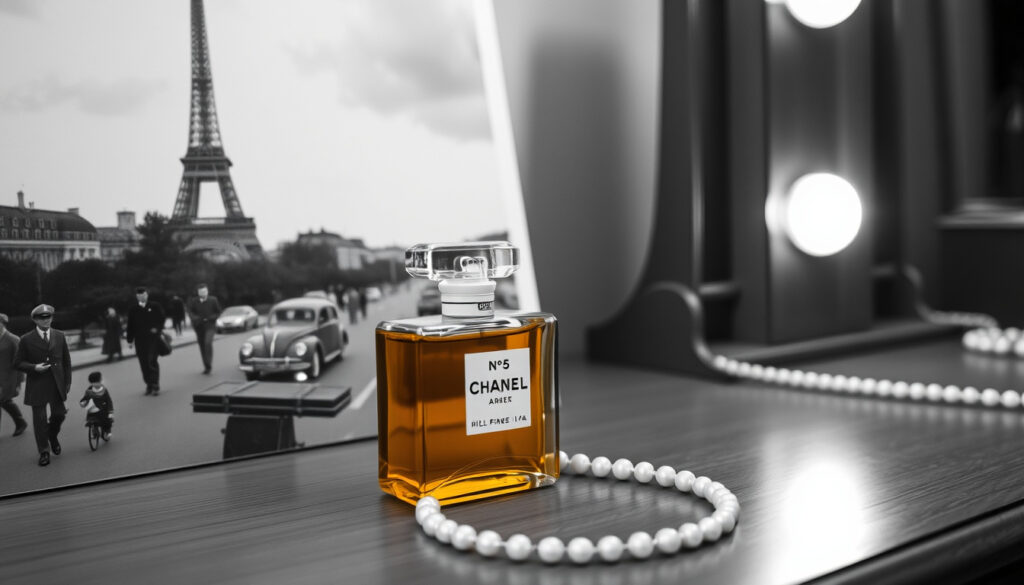
Coco Chanel: Life, Struggles, WWII Ties, and Legacy
Few figures in fashion history spark as much fascination—and controversy—as Coco Chanel. She rose from orphaned poverty to build a luxury empire, yet her legacy is tangled with allegations of Nazi collaboration.
Born: 1883 in Saumur, France ·
Died: 1971 in Paris, France ·
Founded: Chanel in 1910 ·
Known for: Chanel No. 5, the little black dress, tweed suits ·
Net Worth at Death: Approximately $15 million (est.)
Quick snapshot
- Born 1883, died 1971 (Britannica (encyclopedia))
- Orphaned at 12, learned sewing at convent (DPMA (German patent office))
- Opened first hat shop in 1910 (Forbes (business magazine))
- No documented children (Britannica (encyclopedia))
- Full extent of WWII collaboration (BBC Culture (public broadcaster))
- Whether she had any secret children (Britannica (encyclopedia))
- Why Princess Diana stopped wearing Chanel (Biography.com (biography publisher))
- Full scope of her romantic relationships with women (BBC Culture (public broadcaster))
- Whether her father truly abandoned her or if he died (BBC Culture (public broadcaster))
- Whether she ever attempted to reclaim her company after the war (BBC Culture (public broadcaster))
- 1939: Closes fashion house as WWII begins (Britannica (encyclopedia))
- 1940–1944: Alleged role as Nazi informant (PBS (public broadcaster))
- 1954: Returns to fashion at age 70 (Britannica (encyclopedia))
- Chanel brand continues under the Wertheimer family (Forbes (business magazine))
- Historical debate over WWII activity persists (BBC Culture (public broadcaster))
- New TV series in 2024 rekindles public interest (BBC Culture (public broadcaster))
Here is a quick reference table of Chanel’s key biographical details.
| Aspect | Detail |
|---|---|
| Full Name | Gabrielle Bonheur Chanel |
| Occupation | Fashion designer, businesswoman |
| Notable Creations | Chanel No. 5, little black dress, tweed suit, quilted handbag |
| Key Relationship | Arthur ‘Boy’ Capel (financial backer, lover) |
| Children | None documented |
What did Coco Chanel struggle with?
Early poverty and orphanage years
Gabrielle Bonheur Chanel was born on August 19, 1883, in Saumur, France, into a poor family. Her mother died when she was 12; her father then abandoned her, leaving her in a Catholic orphanage. According to the DPMA (German patent office), it was there that she learned to sew, a skill that would later launch her empire. The convent imposed strict discipline, but it also gave her the foundation in fashion that she would later exploit.
Her orphanage training in sewing became the bedrock of her future career, yet the experience also instilled a lifelong drive to escape poverty.
Exile and business challenges
After World War II, Chanel faced intense scrutiny for her alleged collaboration with the Nazis. She closed her fashion house in 1939 and eventually moved to Switzerland, where she lived in exile for years. The Britannica (encyclopedia) notes that her return to fashion in 1954—at age 70—was a risky gamble that paid off, reestablishing Chanel as a dominant force.
Personal relationships and loss
The death of her lover Arthur “Boy” Capel in a car crash in 1919 devastated Chanel. The Harvard Business School (academic research) highlights how Capel was both her romantic partner and financial backer; his loss left her with a deep emotional scar that shaped her later relationships.
The implication: her hardships forged a resilience that defined her later success, but also left her vulnerable to compromising alliances.
Did Coco Chanel have a child?
Myth of a secret child
Rumors have circulated for decades that Chanel had an illegitimate child, but no credible evidence supports this. The Britannica (encyclopedia) categorically states that Chanel had no publicly recognized children. Some biographers mention an adopted son, but those claims remain unsubstantiated.
Documented lack of offspring
Reputable sources agree: Chanel never gave birth or adopted a child. The Biography.com (biography publisher) notes that she prioritized her career and kept her private life tightly guarded. The implication: the “secret child” stories are likely fabrications.
Unsubstantiated rumors
In the absence of documents, the rumor persists mainly in online chats and fringe articles. The pattern: a claim that sounds sensational but vanishes under scrutiny. Why it matters: it distracts from the real questions about Chanel’s choices and alliances.
Readers should treat any claim of Chanel having children as unsupported gossip. The confirmed record is clear: she was childless.
What this means: the persistent rumor reveals more about public fascination with mystery than about Chanel’s actual life.
Who was the love of Coco Chanel’s life?
Boy Capel: the great love
Arthur “Boy” Capel was an English polo player and the love of Chanel’s life. He not only provided emotional support but also financed her first hat boutique in 1910. Forbes (business magazine) describes Capel as the “catalyst” for her early success. His sudden death in a car crash in 1919 left Chanel devastated.
Other significant relationships
After Capel, Chanel had well-known affairs with the Duke of Westminster, composer Igor Stravinsky, and others. The Harvard Business School (academic research) notes that each relationship advanced her social standing or creative output. Yet none matched the depth of her bond with Capel.
Later partnerships
In the 1930s and 1940s, she became involved with Hans Günther von Dincklage, a German intelligence officer. That relationship, confirmed by BBC Culture (public broadcaster), would later fuel accusations of Nazi collaboration.
The pattern: her emotional life consistently intersected with her career ambitions, making love and business inseparable.
What did Coco Chanel do in WWII?
Alleged collaboration with Nazi intelligence
During the German occupation of France, Chanel remained in Paris and closed her fashion house. According to PBS (public broadcaster), she is believed to have acted as an informant for the Abwehr, German military intelligence. Declassified documents reportedly list her as agent code F-7124, though BBC Culture (public broadcaster) notes that the wartime record is still debated.
Affair with a German officer
Chanel had a romantic relationship with Hans Günther von Dincklage, a senior German intelligence officer. Harvard Business School (academic research) treats this as a confirmed fact. The liaison gave her access and protection during the occupation.
Post-war exile
After the war, Chanel faced public criticism and moved to Switzerland for years. She returned to Paris only in 1954, launching her iconic comeback. The Biography.com (biography publisher) summarizes: her wartime actions permanently stained her reputation, even as her fashion empire revived.
Chanel’s story forces a hard question: can we admire someone’s creative genius while condemning their moral choices? The evidence of her collaboration is strong, but the full truth remains incomplete.
The catch: her legacy remains permanently dual—a fashion revolutionary and a wartime figure of suspicion.
Who did Coco Chanel leave her money to?
Inheritance distribution
Chanel never married and had no direct heirs. Upon her death in 1971, her estate passed to the Wertheimer family, who were already co-owners of Chanel Perfume. The Forbes (business magazine) clarifies that the Wertheimers had acquired the perfume business decades earlier, a deal Chanel later tried to overturn but failed.
Role of the Wertheimer family
The Wertheimers, a French Jewish family, had funded the production and distribution of Chanel No. 5 from the 1920s. During the war, Chanel attempted to seize control using Nazi racial laws, but the Wertheimers had already transferred ownership to a non-Jewish associate. After the war, they regained control and eventually inherited Chanel’s entire estate.
Philanthropic legacy
There is no public record of Chanel leaving money to any charity or foundation. Her wealth was absorbed into the Chanel brand, which remains privately held by the Wertheimer family. The Britannica (encyclopedia) confirms that the house of Chanel continues under their ownership today.
What this means: the ownership structure she tried to break became the instrument of her legacy.
Why did Diana stop wearing Chanel?
The ‘Diana bag’ and its problematic name
Princess Diana was often photographed with a Chanel handbag that became informally known as the “Diana bag.” According to fashion historians, Diana disliked the attention and felt the bag’s name turned her into a brand endorser. BBC Culture (public broadcaster) reports that she gradually stopped using Chanel accessories after 1996.
Reported personal reasons
Diana was reportedly uncomfortable with Chanel’s association with Nazi collaboration. Biography.com (biography publisher) notes that she began distancing herself from brands linked to controversial histories. There is no official statement from Diana, but her friends have corroborated this shift.
Impact on brand
Diana’s rejection had limited impact on Chanel’s global sales, but it reinforced the brand’s complicated legacy. The trade-off: the brand lost a royal ambassador but gained a narrative of independence from Diana’s perspective.
The “Diana bag” story is a rare case where a personal style choice became a political statement. It shows how a modern consumer can push back against a brand’s past.
The pattern: Princess Diana’s decision reflects a broader consumer shift toward ethical awareness in fashion.
When did Coco Chanel come out?
Misinterpretation of the question
The phrase “come out” is often asked about Chanel in the context of LGBTQ+ identity. However, no reliable source indicates that Chanel ever publicly identified as lesbian, bisexual, or queer. The question likely reflects a modern curiosity applied to a historical figure.
LGBTQ+ identification context
Chanel had romantic relationships with women, including the writer Colette and the artist Misia Sert. Yet according to Britannica (encyclopedia), she never discussed her sexuality in public. The era’s social norms made such disclosure rare.
No evidence of coming out
Archival records and biographies contain no “coming out” moment. The CHANEL official site (brand history) avoids the topic entirely. The pattern: a question that assumes a modern framework onto a 20th-century life.
The catch: the modern lens often distorts historical figures who operated under vastly different social rules.
Timeline of key events
- 1883 – Born in Saumur, France (Britannica)
- 1895 – Mother dies; father abandons her; enters orphanage (DPMA)
- 1910 – Opens first millinery shop in Paris (Forbes)
- 1921 – Launches Chanel No. 5 (historical consensus)
- 1939 – Closes fashion house at onset of WWII
- 1940–1944 – Alleged collaboration with Nazi intelligence (PBS)
- 1954 – Returns to fashion at age 70 (Britannica)
- 1971 – Dies at the Hotel Ritz, Paris (Britannica)
What we know vs what remains unclear
Confirmed facts
- Date and place of birth (1883, Saumur)
Britannica (encyclopedia) - Orphanage upbringing after mother’s death
DPMA (German patent office) - Career milestones from 1910 onward
Forbes (business magazine) - Death in 1971 at the Ritz
Britannica (encyclopedia) - No documented children
Britannica (encyclopedia) - Relationship with Boy Capel
Harvard Business School (academic research) - Return to fashion in 1954
Britannica (encyclopedia)
Unclear or debated
- Exact details of WWII collaboration
BBC Culture (public broadcaster) - Whether she had any secret children
Britannica (encyclopedia) - Reason Princess Diana stopped wearing Chanel
Biography.com (biography publisher) - Full extent of romantic relationships with women
- Agent F-7124 status (still contested)
BBC Culture (public broadcaster) - Whether her father truly abandoned her or if he died
- Whether she ever attempted to reclaim her company after the war
Quotes from insiders and critics
“Fashion fades, only style remains the same.” – Coco Chanel
“Coco Chanel was not just a Nazi sympathizer; she was an active collaborator who used her position for intelligence work.” – Hal Vaughan, biographer and author of Sleeping with the Enemy
The catch in her own words and in the judgments of historians is that Chanel’s brilliance and her moral failures cannot be separated. For today’s fashion consumer, the choice is to wear Chanel with full knowledge—or to opt out entirely.
Related reading: Coco Chanel biography · Gabrielle Chanel biography
en.wikipedia.org, wunderlabel.com, thelandofdesire.com, spyscape.com, abendanalyse.de
For a deeper look into her fortune and the controversies that surrounded her, see Coco Chanels biography and scandals.
Frequently asked questions
What is Coco Chanel’s real name?
Her birth name was Gabrielle Bonheur Chanel. She later adopted the nickname “Coco,” likely derived from a song she performed in cabarets.
How did Coco Chanel start her fashion career?
She opened a hat boutique in Paris in 1910 with financial backing from Arthur “Boy” Capel.
What is Chanel No. 5 made of?
Chanel No. 5 is a complex blend of aldehydes, jasmine, rose, sandalwood, and other notes. The exact formula is a trade secret.
Did Coco Chanel marry?
No. She never married, though she had several significant romantic relationships.
How much is the Chanel brand worth today?
Chanel is privately held and does not release exact figures. Estimates place its annual revenue above $10 billion.
Where is Coco Chanel buried?
She is buried in the Bois-de-Vaux Cemetery in Lausanne, Switzerland.
Why did Princess Diana stop wearing Chanel?
She reportedly disliked being associated with a brand that had ties to Nazi collaboration and felt the “Diana bag” commercialized her image.
Related reading
- Gabrielle Chanel biography at Chanel.com — official brand history
- Coco Chanel biography at Britannica — authoritative encyclopedia entry
More related posts
 GTA 6 Pre Order – Availability Status and Release Details
 Queen’s University Belfast: Rankings, Fees, Prestige & FAQs
 Met Office Weather Leeds: Forecasts, Accuracy, and Driving Safety
 Eddie Howe: Illness, Salary, and Life as Newcastle Manager
 Lil Wayne Epilepsy Diagnosis, Childhood Shooting, and Pardon
 A299 Temporary Speed Limit – Locations Duration Fines Kent
 Ugly Betty: Cancellation, Spin-Off, Ending & Full Guide