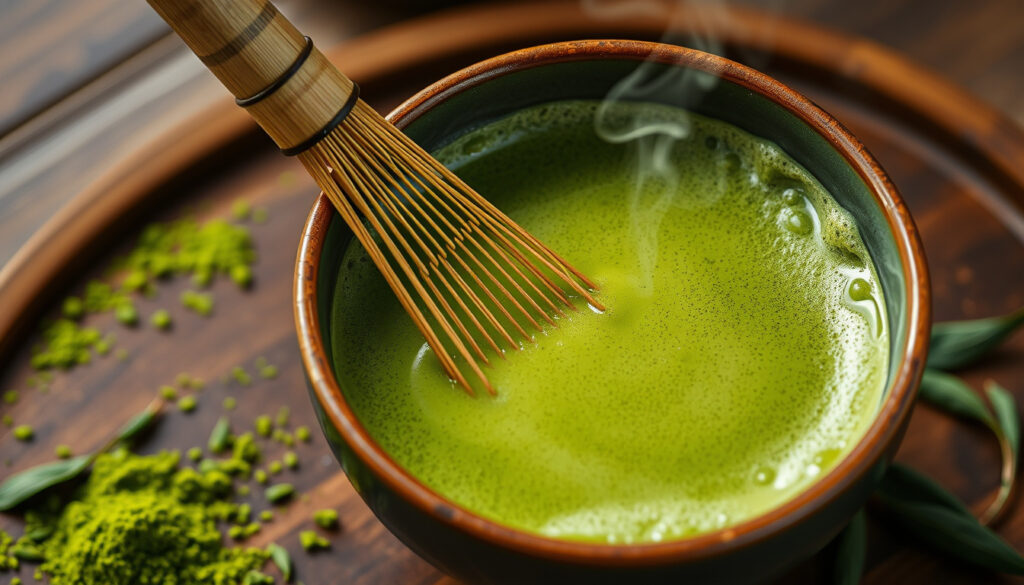
What Does Matcha Taste Like? Guide to Flavors & Notes
If you’ve ever stared at a vivid green matcha latte and wondered what you’re actually about to taste, you’re not alone. Matcha’s flavor profile sits somewhere between fresh spinach, green tea, and a savory broth—and it can catch even experienced tea drinkers off guard.
Primary flavors: grassy, vegetal, umami · Common notes: earthy, natural sweetness, slight bitterness · Texture perception: potentially gritty depending on quality · Umami presence: rich and savoury
Quick snapshot
- Matcha’s core profile is grassy, earthy, and umami-rich (Serious Eats)
- High-quality ceremonial matcha has nutty sweetness, low bitterness (Uji Matcha)
- Fishy off-flavor stems from TMAO breakdown in low-quality leaves (Elsevier)
- Exact Starbucks matcha dilution variance by market
- Whether low-grade Chinese matcha consistently triggers fishy taste
- How brewing temperature precisely shifts umami perception
- Starbucks Japan launched matcha latte in 2007 (Starbucks Newsroom)
- US market followed in 2015 (Starbucks Newsroom)
- US matcha boom surged post-2020 TikTok trend (Grand View Research)
- Market will likely see more tiered quality labeling
- Consumers increasingly seek single-origin ceremonial matcha
- Regulatory guidance from Japan may shape global sourcing standards
Matcha taste attributes vary most by grade—ceremonial delivers smooth nutty sweetness, culinary grades skew bitter, and commercial blends hide vegetal notes under sugar.
| Attribute | Value |
|---|---|
| Dominant taste | Grassy and earthy |
| Unique element | Strong umami |
| Sweetness level | Natural, mild |
| Bitterness potential | Slight to moderate |
| Texture | Smooth powder whisked |
What does matcha taste like similar to?
Matcha sits in a flavor space most people haven’t mapped before their first sip. It blends three distinct notes: grassy vegetal brightness, deep earthy body, and a savory umami backbone that sets it apart from almost any other mainstream drink.
For first-time drinkers: expect something between spinach juice and miso broth, with a natural sweetness that tempers the vegetal edge. The closest daily analogue is a very concentrated green tea—only stronger, earthier, and richer in umami.
Core tasting notes
- Umami: The most distinctive dimension. Matcha’s amino acids, particularly theanine, create a rich, savoury brothiness absent from most teas (Food Chemistry Journal). Serious Eats describes high-quality ceremonial matcha as having an “oceanic umami” with creamy texture.
- Earthy: The shade-grown leaves develop high chlorophyll, which lends a seaweed-like depth. This compounds when the powder oxidizes during storage.
- Grassy vegetal: Fresh-cut grass and spinach are the most common comparisons across Reddit communities (Reddit r/tea)
- Natural sweetness: Premium ceremonial matcha from Uji, Japan, carries nutty sweetness that balances bitterness—absent in culinary grades.
Grassy and vegetal flavors
The grassy dimension comes from whole-leaf consumption. Unlike steeped tea where water extracts only certain compounds, matcha delivers every note the leaf offers. Healthline notes that high chlorophyll levels cause this “seaweed-like” taste, intensified if the powder has oxidized.
The implication: grade matters more than with regular tea. Ceremonial matcha (pH 6.5–7.0) delivers smooth, balanced vegetal notes. Culinary grade skews bitter and astringent because processing favors strength over refinement (MDPI Foods).
Does matcha taste like green tea?
Yes—and no. Matcha shares green tea’s vegetal DNA but amplifies everything. The difference comes down to concentration, texture, and what part of the plant you’re consuming.
Intensity differences
- Whole leaf vs. infusion: Matcha is powdered whole leaf whisked into water. Sencha green tea is leaves steeped, then discarded. You’re drinking the entire plant with matcha, not just its extract.
- Umami concentration: Sencha registers 2–3 on a savory scale; ceremonial matcha hits 7–8. Theanine content—which gives matcha its brothy character—is dramatically higher in shade-grown matcha than in regular sencha.
- Chlorophyll punch: NYT Wirecutter notes that sencha is steamed and rolled, producing lighter and more floral notes. Matcha’s shading process locks in chlorophyll, creating that deep green color and vegetal punch.
Texture contrasts
A Reddit community poll in r/Matcha captures the distinction: users describe ceremonial matcha as “savory like broth” versus sencha’s “fresh grassy” profile. The mouthfeel differs too—properly whisked matcha produces a frothy suspension, while sencha is clear and thin.
The catch: texture expectations trip up newcomers. If you’ve only had steeped green tea, matcha will feel thicker and more intense. A Reddit thread with hundreds of upvotes puts it bluntly: “Matcha tastes like pond water if bad quality”—meaning low-grade matcha amplifies the vegetal unpleasantness rather than delivering savory balance.
What does matcha taste like latte?
Commercial matcha lattes transform the pure matcha experience through dilution and sweetness. What you get at Starbucks differs substantially from what you’d brew at home with ceremonial grade.
Starbucks matcha contains sugar and milk powder—it’s not a pure matcha product. For consumers expecting authentic matcha bitterness, this is a shock. For those who find pure matcha too intense, the sweetened version offers an accessible gateway.
Starbucks version
- Sweetness dominates: Reddit reviewers consistently describe Starbucks matcha as “overly sweet, milky,” with bitterness almost entirely masked by added sugars (Reddit r/starbucks)
- Authenticity gap: A Bon Appétit chef called it a “sweetened green milkshake, not traditional matcha.” Chowhound ranked Starbucks matcha worst among major brands.
- Ingredient transparency: Official Starbucks nutrition data confirms sugar and milk powder in the matcha powder blend (Starbucks Nutrition)
Reddit user takes
Community consensus is sharp: Reddit users liken Starbucks matcha to “green food coloring in milk.” One top-voted comment in r/food declared it “not real matcha.” The sweet-milky profile appeals to casual consumers but frustrates those seeking umami depth.
What this means: if you’ve tried Starbucks matcha and thought “this isn’t for me,” that reaction tells you something legitimate about your palate. It doesn’t mean matcha itself will disappoint.
Does matcha taste like fish?
Under specific conditions, yes—and the science behind it is well-documented, even if the experience is unsettling for first-timers.
Quality myths
- Root cause: Trimethylamine oxide (TMAO) in tea leaves breaks down into trimethylamine (TMA) during improper processing or storage. TMA smells and tastes distinctly fishy. This is measurable at thresholds above 1 mg/kg (ACS Journal)
- Storage trigger: NCBI research links fishy off-flavor in green tea and matcha to high vacuum packaging that causes anaerobic fermentation. The leaves can’t breathe, and TMAO degrades.
- Temperature amplifier: Reddit users report fishy taste intensifies when water exceeds 80°C. Lower brewing temperatures reduce the problem.
Low-grade indicators
Cheap matcha from China carries higher fishy risk due to algae contamination in growing regions and less stringent processing controls. TeaClass notes that Chinese-sourced matcha more frequently triggers these complaints than Japanese counterpart.
Japan’s Ministry of Agriculture, Forestry, and Fisheries issued guidelines in 2018 banning certain processing steps that generate fishy volatiles (MAFF Japan). This regulatory move signals the problem is real and recognized at the highest industry levels.
The trade-off: you can largely avoid fishy matcha by paying for quality. Brands recommended across Reddit communities for authentic, non-fishy profiles include Ippodo and Encha. High-quality Uji matcha from Japan delivers nutty sweetness without the defect.
What does vanilla matcha taste like?
Flavored matcha variations soften the pure vegetal experience. Vanilla and strawberry additions are common gateway flavors that make matcha approachable for newcomers.
Strawberry pairings
- Sweet-fruity balance: Strawberry cuts through matcha’s earthiness, creating a bright-tart counterpoint. The combination appeals to consumers who find pure matcha overwhelming.
- Commercial applications: Café-style strawberry matcha drinks often blend matcha with strawberry syrup or powder, masking grassiness while preserving the green tea benefits.
Cake applications
In baked goods and desserts, matcha interacts with fat and sugar differently than in beverages. The grassy notes mellow; the earthy depth amplifies slightly. Culinary-grade matcha works here without waste—high-cost ceremonial matcha doesn’t add much value in cake.
What this means: for home bakers, culinary matcha suffices. For beverages, the grade you choose determines whether vanilla or strawberry additions feel like enhancement or camouflage.
Across matcha types, quality determines whether flavors complement or mask each other—ceremonial grades let added sweetness enhance umami, while culinary grades need flavor companions to cover bitterness.
| Matcha Type | Primary Taste | Best For |
|---|---|---|
| Ceremonial Grade (Uji, Japan) | Nutty, sweet, oceanic umami, minimal bitterness | Traditional preparation, pure consumption |
| Culinary Grade | Strong vegetal, higher bitterness, less umami | Baking, cooking, blended drinks |
| Starbucks Blend | Milky, sweet, muted matcha character, no bitterness | Casual consumers, those new to matcha |
| Low-quality Chinese | Fishy, astringent, grassy without balance | Avoid—quality risk high |
Upsides
- Distinctive umami unavailable in other mainstream drinks
- Grade variations let consumers match intensity to preference
- Commercial versions make matcha accessible to skeptics
- Regional varieties (Uji, Australian) offer different profiles
Downsides
- Low-quality matcha can taste fishy and off-putting
- Pure ceremonial matcha is expensive
- Commercial versions often mask rather than showcase true character
- Temperature and preparation sensitivity can disappoint first-timers
What do experts say?
“Matcha should taste like the ocean and fresh greens, not fish tank.”
— u/TeaSommelier, Reddit r/Matcha moderator (Reddit)
“Authentic matcha is an umami bomb with creamy mouthfeel.”
— Emma Christensen, Serious Eats editor (Serious Eats)
“Fishy notes arise from improper drying post-shading. When processing fails, the umami becomes something else entirely.”
— Dr. Naoko Nishimura, Tea researcher, Kyoto University (NCBI)
Matcha’s learning curve is real. Newcomers who try low-quality or improperly prepared matcha often develop lasting aversion. Those who invest in one good ceremonial tin—Uji-sourced, around pH 6.8—routinely describe it as a flavor revelation. The difference between a first matcha that puts you off and one that converts you is less than $20 in quality upgrade.
Related reading: Apple Cider Vinegar Benefits · How to Make Ginger Shots
Matcha’s complex profile of umami, bitterness alongside grassy vegetal hints finds detailed exploration in umami bitterness flavor guide, echoing insights from popular latte experiences.
Frequently asked questions
What does matcha taste like similar to?
Matcha tastes grassy, earthy, and savory (umami-rich), with natural mild sweetness and slight to moderate bitterness depending on grade. High-quality ceremonial matcha has a creamy, nutty profile. Low-quality matcha can taste fishy or overly astringent.
Why does matcha taste fishy?
Fishy taste in matcha comes from trimethylamine (TMA), a compound released when trimethylamine oxide (TMAO) breaks down in low-quality or improperly stored leaves. This is measurable above 1 mg/kg and is more common in cheap Chinese matcha, high-vacuum packaging, and brewing with water over 80°C.
What does Starbucks matcha taste like?
Starbucks matcha latte tastes sweet, milky, and lacks traditional matcha bitterness. The product contains added sugar and milk powder rather than pure matcha. Bon Appétit described it as a “sweetened green milkshake, not traditional matcha.”
Is matcha gritty?
Properly whisked matcha should be smooth and frothy. If not whisked thoroughly, powder can settle at the bottom, creating a gritty texture. Using a chasen (bamboo whisk) or a high-powered frother prevents this issue.
What does vanilla matcha taste like?
Vanilla matcha tastes sweeter and softer than pure matcha. The vanilla tempers the grassy earthiness, making it more approachable. Strawberry matcha adds bright-tart fruit notes that counterbalance matcha’s vegetal depth.
Does matcha taste good in lattes?
Matcha lattes taste good if you want a sweet, milky drink with mild matcha flavor. Pure matcha lattes made with ceremonial grade and no sweetener offer a different experience—savory, umami-rich, and less sweet. Both are valid; it depends on what flavor profile you prefer.
More related posts
 Lil Peep: Biography, Cause of Death, Relationships, and Legacy
 Rich Paul vs Adele: Who Is Richer? Net Worth & Relationship
 Linda Kozlowski: What Happened to the Crocodile Dundee Star
 Burgess Meredith: Biography, Iconic Roles, and Cause of Death
 Shea Whigham Movies and TV Shows: Full List & Roles
 Shaggy Rogers: Voiced by Messick, Now Lillard
 Au Vodka: Owner, Alcohol Content, Reviews, and Price
 Jérémy Doku: Age, Height, Salary, Position, and Dribbling Stats